

2025 Annual Report of Intelligence & Robotics
The year 2025 marked a period of steady growth and consolidation for Intelligence & Robotics (IR; ISSN 2770-3541). As an international, peer-reviewed, open access journal, IR remains committed to publishing rigorous and interdisciplinary research spanning artificial intelligence (AI) and robotics. Through continuous refinement of editorial workflows, expanded international participation, and strengthened academic outreach, the journal has further enhanced its visibility and operational maturity. This report summarizes IR's key developments, performance metrics, and academic activities during 2025.
Message from the Editor-in-Chief
The year 2025 marked a pivotal stage in the evolution of Intelligence & Robotics (IR), reflecting both the consolidation of academic quality and a clear transition toward greater global impact. The journal's first Clarivate Impact Factor of 2.3 represents more than a numerical milestone; it signals the growing recognition of IR as a trusted venue for rigorous, forward-looking research at the interdisciplinary intersection of artificial intelligence (AI) and robotics. This achievement reinforces our long-term vision of establishing IR as a leading international platform for high-impact scholarship.
Throughout 2025, IR continued to broaden its intellectual scope while maintaining strong editorial standards. The journal published a diverse portfolio of high-quality contributions spanning foundational theory, algorithmic innovation, and real-world applications. These works addressed timely and impactful topics, such as cooperative decision making for autonomous vehicles, multiscale learning frameworks for structural perception, multimodal semantic communication systems, embodied AI, and haptic technologies. Collectively, they reflect a strategic emphasis on embodied intelligence, autonomy, perception-action coupling, and human-robot interaction - research directions expected to shape the next generation of intelligent robotic systems.
IR further strengthened its presence in application-driven and interdisciplinary research through impactful studies on intelligent control and optimization, including Stackelberg game-based anti-disturbance control for unmanned surface vessels. Such contributions highlight the journal's commitment to bridging theoretical rigor with practical relevance across a wide range of robotic domains.
Beyond technical excellence, IR continues to advance its mission of inclusive and responsible scientific leadership. In recognition of International Women's Day, the journal highlighted outstanding research contributions by female scholars in AI and robotics, reaffirming our belief that diversity and excellence are mutually reinforcing drivers of innovation.
The journal's growing influence is also reflected in the global visibility of its research community, with 72 IR-affiliated researchers (including Editors-in-Chief, Associate Editors, and Editorial Board Members) recognized among the 2025 Global Top 2% Scientists. This distinction underscores IR's role not only as a publication venue, but also as a catalyst for internationally influential research networks.
Looking ahead to 2026 and beyond, IR is strategically focused on further enhancing its academic impact, selectivity, and thought leadership. Key priorities include attracting landmark contributions and high-quality survey articles, strengthening emerging themes such as embodied AI, autonomous robots, multi-robot systems, and bio-inspired intelligence, and continuing to improve editorial efficiency and review quality. Through these efforts, IR aims to increase citation impact, deepen scholarly influence, and play a meaningful role in shaping the future directions of intelligence and robotics research worldwide.
Prof. Simon X. Yang
Editor-in-Chief
1. Indexing and Metrics
On November 5, 2025, IR was officially indexed in the Asian Science Citation Index (ASCI). The journal is currently included in major databases such as Emerging Sources Citation Index (ESCI), Scopus, Google Scholar, Chemical Abstracts Service (CAS), Dimensions, and China National Knowledge Infrastructure (CNKI), enhancing its discoverability across international research platforms.
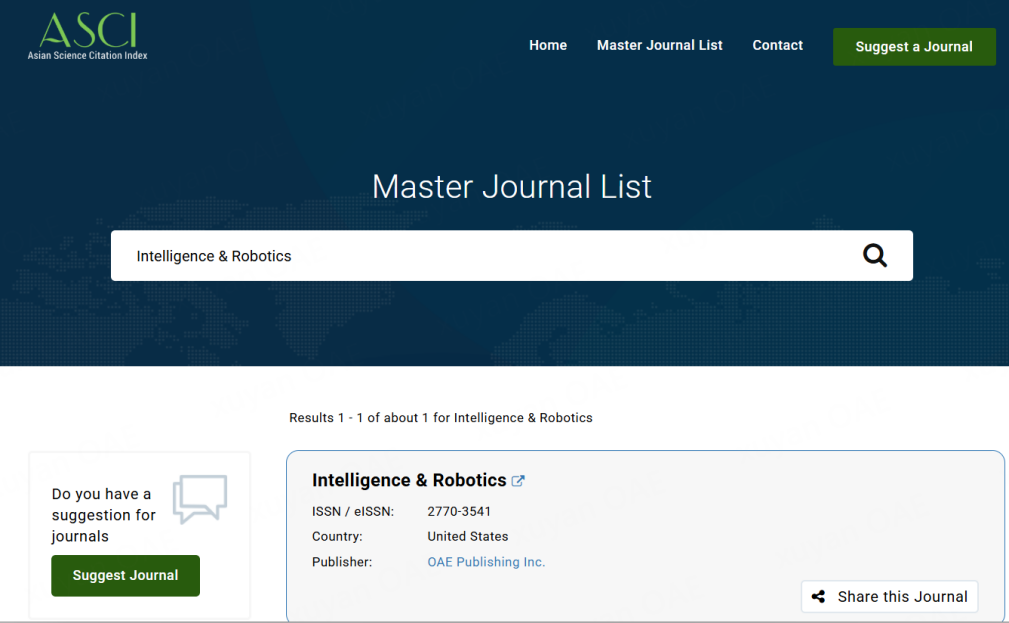
Figure 1. IR Indexed in the Asian Science Citation Index (ASCI)
In 2025, IR received its first Impact Factor of 2.3, ranking Q2 in Automation & Control Systems and Q3 in Computer Science, Artificial Intelligence. Its 2024 CiteScore reached 3.7, and the 2025 CiteScoreTracker increased to 5.1, indicating continued citation accumulation
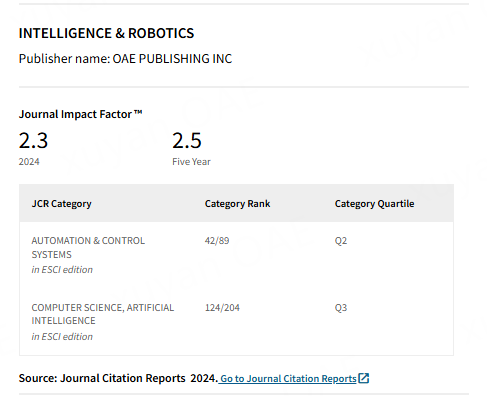
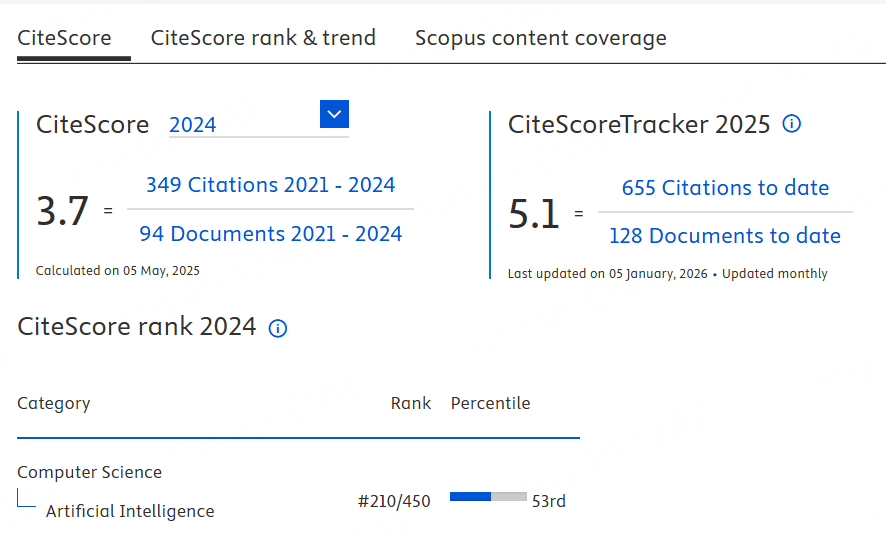
Figure 2. First Impact Factor and CiteScoreTracker of IR
2. Submissions and Publications
In 2025, IR received submissions involving 399 authors, reflecting broad international participation. A total of 45 articles were published, representing a 50% increase compared with 2024. Reviewer engagement expanded to 290 reviewers from 16 countries and regions, and the overall rejection rate was 49.37%.
Published article types included Research Articles, Reviews, Editorials, and Corrections. Research topics covered micro-electromechanical systems (MEMS) microrobots, embodied AI, convolutional neural networks, bioinspired intelligence, multiple autonomous vehicles, human-robot collaboration in 5G environments, human-machine interfaces, intelligent augmented reality, unmanned underwater vehicles, multimodal large language models, and deep learning models.
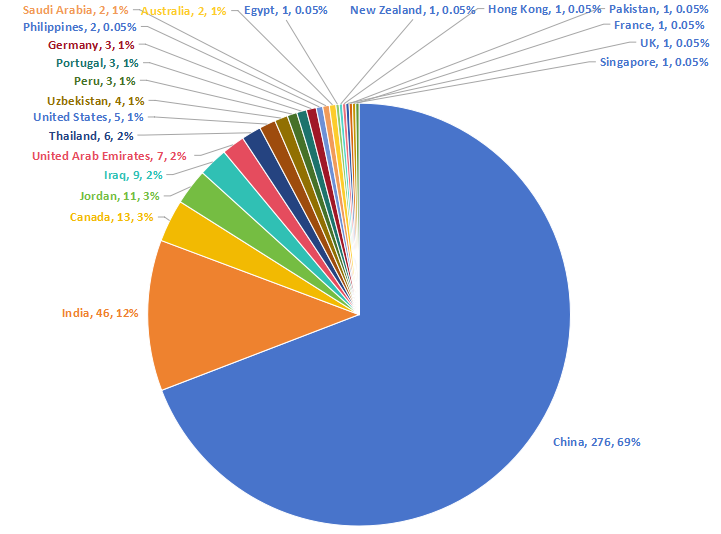
Figure 3. Geographical Distribution of Contributing Authors in 2025
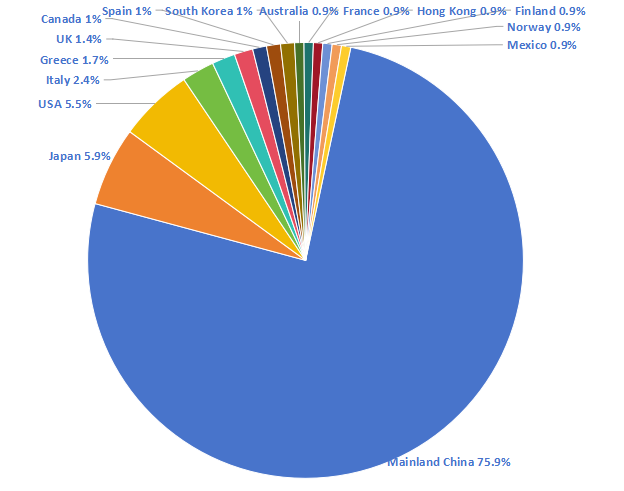
Figure 4. Geographical Distribution of Reviewers in 2025
3. Special Issues
In 2025, IR launched 17 Special Issues in collaboration with 52 Guest Editors from international institutions. These Special Issues contributed significantly to the journal's thematic development and community engagement, covering emerging and interdisciplinary topics such as intelligent data mining, AI-powered medical imaging and diagnosis, digital twin-empowered industrial Internet of Things (IoT), vision-and-language intelligence, explainable AI in robotics, intelligent robots in medical environments, AI-powered brain-computer interfaces, multimodal emotion recognition and responsible AI, micro-/nano-robotics, biomimetic aerial robotics, human-robot interaction and collaborative robotics, and AI and quantum computing.
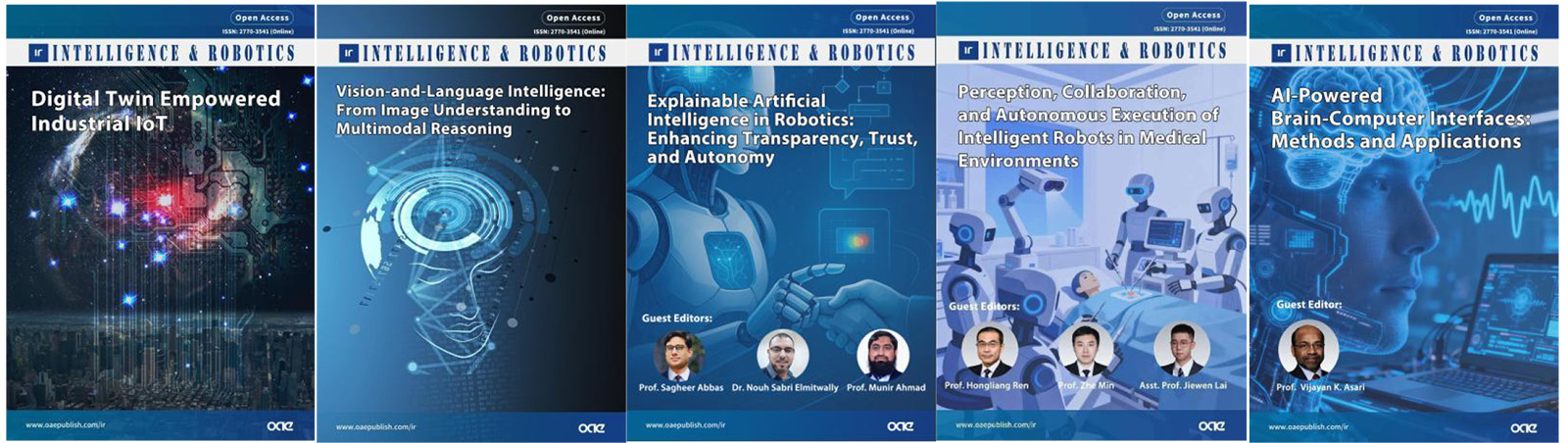
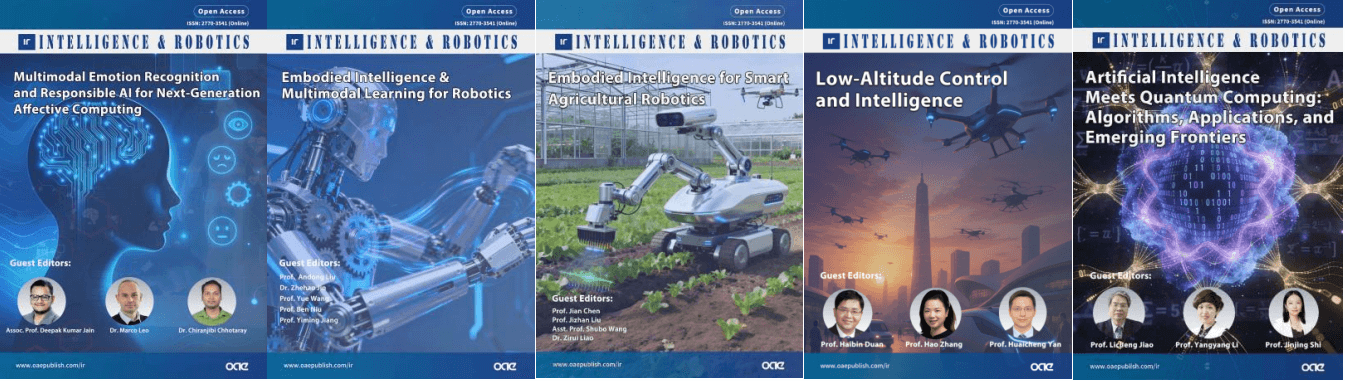
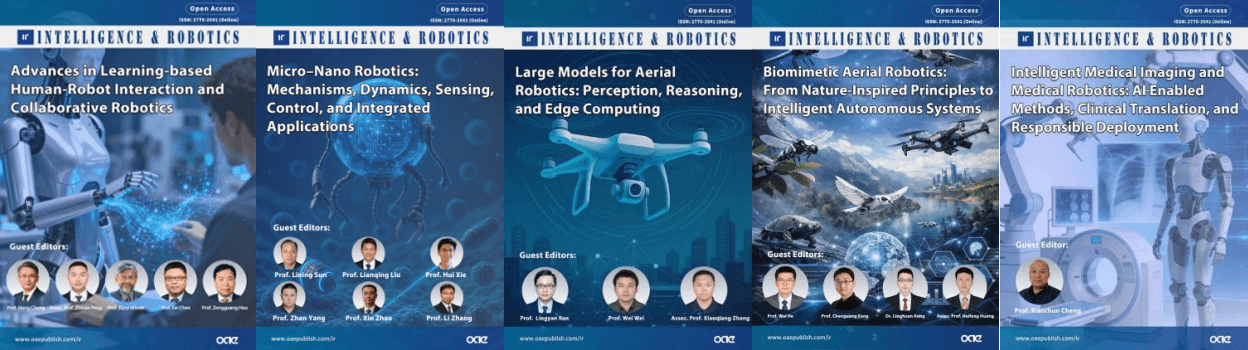
Figure 5. Special Issues Published in 2025
The Guest Editors and their affiliations are listed below:
- Prof. Jinhai Li, Kunming University of Science and Technology, Kunming, China
- Prof. Muhammad Adnan Khan, Department of Software, Gachon University, Seongnam, South Korea
- Prof. F. Richard Yu, School of Information Technology, Carleton University, Ottawa, Canada
- Prof. Qi Wu, School of Computer and Mathematical Sciences, The University of Adelaide, Adelaide, Australia
- Prof. Sagheer Abbas, College of Computer Engineering and Science, Prince Mohammad Bin Fahd University, Al Khobar, Saudi Arabia
- Prof. Munir Ahmad, University College, Korea University, Seoul, South Korea
- Prof. Hongliang Ren, Department of Electronic Engineering, The Chinese University of Hong Kong, Hong Kong, China
- Prof. Zhe Min, School of Control Science and Engineering, Shandong University, Jinan, Shandong, China
- Prof. Vijayan K. Asari, Department of Electrical and Computer Engineering, University of Dayton, Dayton, OH, USA
- Prof. Deepak Kumar Jain, College of Control Science and Engineering, Dalian University of Technology, Dalian, Liaoning, China
- Prof. Andong Liu, College of Information Engineering, Zhejiang University of Technology, Hangzhou, Zhejiang, China
- Prof. Yue Wang, College of Control Science and Engineering, Zhejiang University, Hangzhou, Zhejiang, China
- Prof. Ben Niu, School of Control Science and Engineering, Dalian University of Technology, Dalian, Liaoning, China
- Prof. Yiming Jiang, School of Artificial Intelligence and Robotics, Hunan University, Changsha, Hunan, China
- Prof. Jian Chen, Embodied Intelligence and Agricultural Robotics Research Center of College of Engineering, China Agricultural University, Beijing, China
- Prof. Jizhan Liu, School of Agricultural Engineering, Jiangsu University, Zhenjiang, Jiangsu, China
- Prof. Haibin Duan, School of Automation Science and Electrical Engineering, Beihang University, Beijing, China
- Prof. Hao Zhang, Department of Control Science and Engineering, Tongji University, Shanghai, China
- Prof. Huaicheng Yan, Key Laboratory of Advanced Control and Optimization for Chemical Processes of Ministry of Education, East China University of Science and Technology, Shanghai, China
- Prof. Licheng Jiao, Key Laboratory of Intelligent Perception and Image Understanding of Ministry of Education of China, School of Artificial Intelligence, Xidian University, Xi'an, Shaanxi, China
- Prof. Yangyang Li, Key Laboratory of Intelligent Perception and Image Understanding of Ministry of Education of China, School of Artificial Intelligence, Xidian University, Xi'an, Shaanxi, China
- Prof. Jinjing Shi, School of Electronic Information, Central South University, Changsha, Hunan, China
- Prof. Hong Cheng, School of Mechanical and Electrical Engineering, University of Electronic Science and Technology of China, Chengdu, Sichuan, China
- Prof. Zhinan Peng, School of Automation Engineering, University of Electronic Science and Technology of China, Chengdu, Sichuan, China
- Prof. Bijoy Kumar Ghosh, Department of Mathematics and Statistics, Texas Tech University, Lubbock, TX, USA
- Prof. Fei Chen, Department of Mechanical and Automation Engineering, The Chinese University of Hong Kong, Hong Kong, China
- Prof. Zeng-Guang Hou, State Key Laboratory of Multimodal Artificial Intelligence Systems, Institute of Automation, Chinese Academy of Sciences, Beijing, China
- Prof. Lining Sun, Institute of Advanced Manufacturing Technology, Soochow University, Suzhou, Jiangsu, China
- Prof. Lianqing Liu, State Key Laboratory of Robotics, Shenyang Institute of Automation, Chinese Academy of Sciences, Shenyang, Liaoning, China
- Prof. Hui Xie, State Key Laboratory of Robotics and Systems, School of Mechatronics Engineering at Harbin Institute of Technology, Harbin, Heilongjiang, China
- Prof. Zhan Yang, Research Center of Robotics and Microsystems, Soochow University, Suzhou, Jiangsu, China
- Prof. Xin Zhao, Institute of Robotics and Information Automation, College of Artificial Intelligence, Nankai University, Tianjin, China
- Prof. Li Zhang, Department of Mechanical and Automation Engineering, The Chinese University of Hong Kong, Hong Kong, China
- Prof. Lingyan Ran, School of Computer Science, Northwestern Polytechnical University, Xi'an, Shaanxi, China
- Prof. Wei Wei, School of Computer Science, Northwestern Polytechnical University, Xi'an, Shaanxi, China
- Prof. Xiaoqiang Zhang, School of Information and Control Engineering, Southwest University of Science and Technology, Mianyang, Sichuan, China
- Prof. Haifeng Huang, School of Intelligence Science and Technology, University of Science and Technology Beijing, Beijing, China
- Prof. Chenguang Yang, Department of Computer Science, University of Liverpool, Liverpool, UK
- Prof. Wei He, College of Automation, Beijing Information Science and Technology University, Beijing, China
- Prof. Xiaochun Cheng, Department of Computer Science, Middlesex University, London, UK
- Dr. Linghuan Kong, Faculty of Science and Technology, University of Macau, Macao, China
- Dr. Zirui Liao, Department of Mechanical Engineering, City University of Hong Kong, Hong Kong, China
- Dr. Shubo Wang, School of Automation, Qingdao University, Qingdao, Shandong, China
- Dr. Zhehao Jin, Mechanical and Aerospace Engineering, Nanyang Technological University, Singapore
- Dr. Marco Leo, National Research Council of Italy, Institute of Applied Sciences and Intelligent Systems, Lecce, Italy
- Dr. Chiranjibi Chhotaray, New Jersey Medical School, Public Health Research Institute, Rutgers University, Newark, NJ, USA
- Dr. Jiewen Lai, Department of Electronic Engineering, The Chinese University of Hong Kong, Hong Kong, China
- Dr. Nouh Sabri Elmitwally, College of Computing and Digital Technology, Birmingham City University, Birmingham, UK
- Dr. Junfei Li, School of Engineering, University of Guelph, Guelph, ON, Canada
- Dr. Feras Dayoub, Responsible AI Research Centre, Australian Institute for Machine Learning, The University of Adelaide, Adelaide, Australia
- Dr. Jason Xue, Responsible AI Research Centre, Australian Institute for Machine Learning, The University of Adelaide, Adelaide, Australia
- Dr. Arpit Garg, Responsible AI Research Centre, Australian Institute for Machine Learning, The University of Adelaide, Adelaide, Australia
4. Views, Downloads, and Citations
In 2025, article views and downloads for IR increased steadily, indicating sustained reader interest and engagement. Citation analysis shows that IR articles were cited across multiple countries and regions, with 83% of citing journals ranked Q2 or above in the Journal Citation Reports (JCR), suggesting high-quality references in established academic venues.
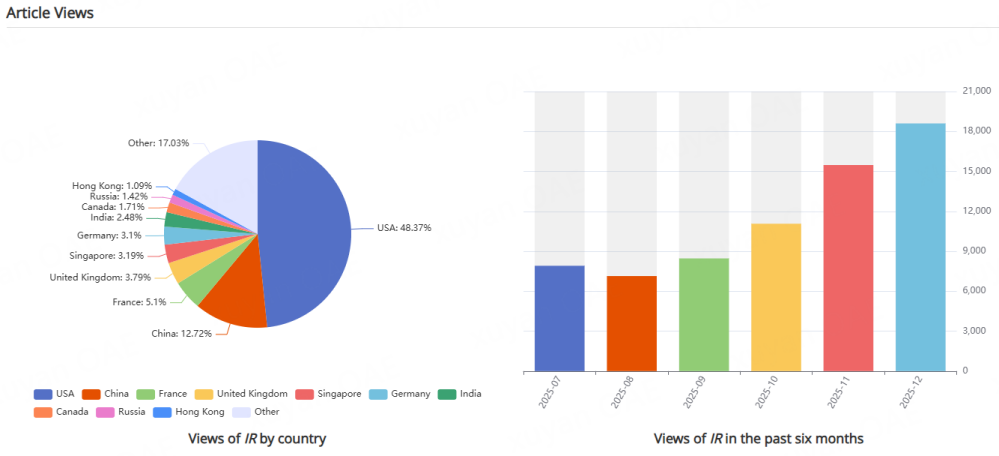
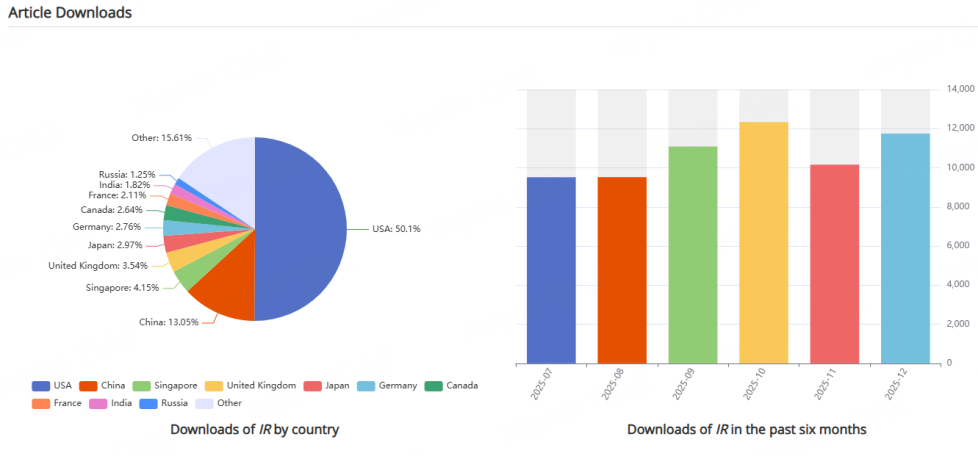
Figure 6. Article Views and Downloads of IR
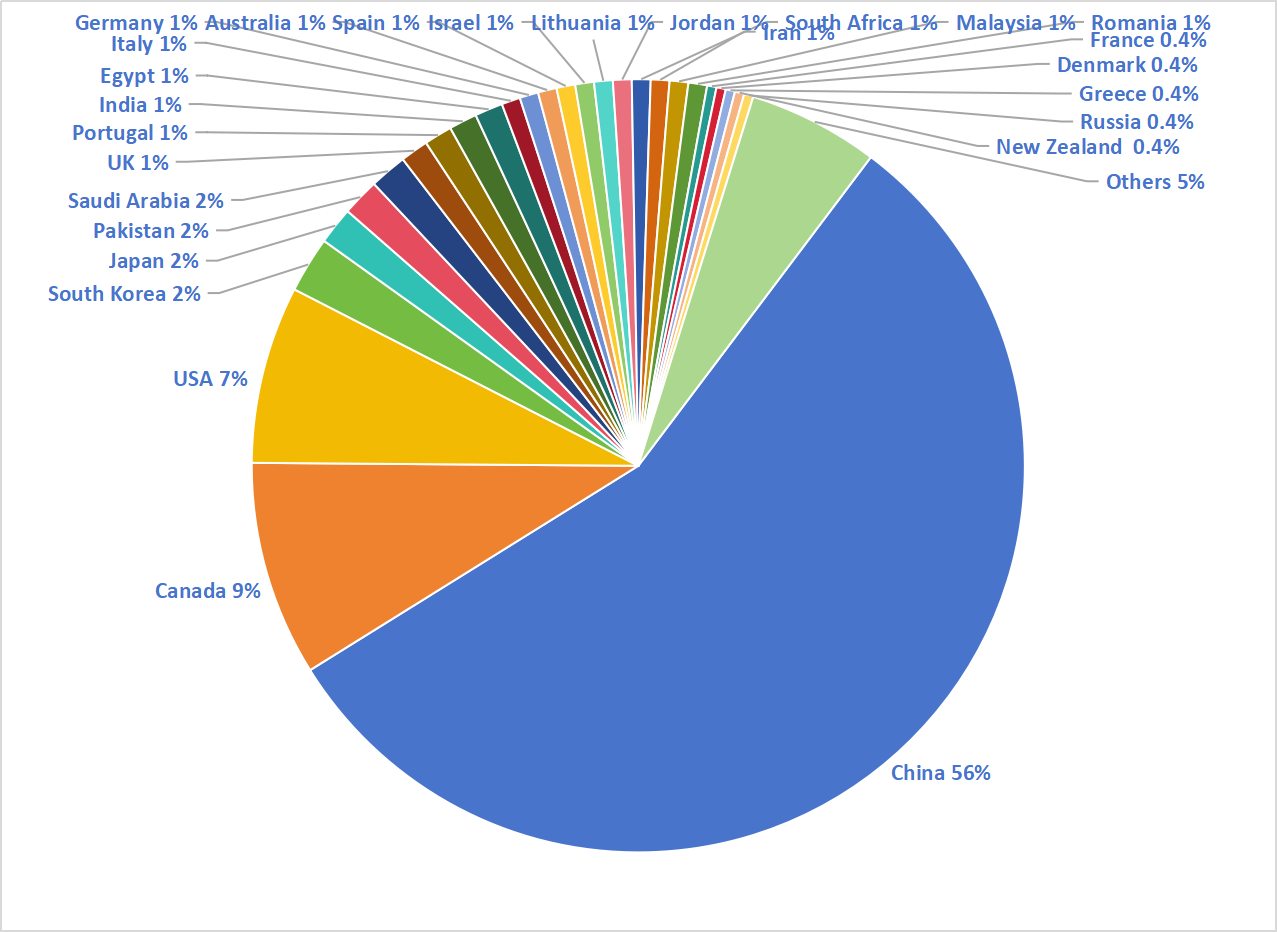
Figure 7. Geographical Distribution of Citations in 2025
5. Editorial Board Updates
In 2025, IR's Editorial Board continued to demonstrate strong academic distinction, with members receiving major professional recognitions and new scholars joining the board. The following updates summarize these developments.
On May 16, 2025, Editor-in-Chief Prof. Simon X. Yang was elected Fellow of the Canadian Academy of Engineering (CAE). This honor recognizes his longstanding contributions to robotics and intelligent systems and reflects the academic leadership he brings to IR.

Figure 8. Editor-in-Chief Prof. Simon X. Yang Elected Fellow of the Canadian Academy of Engineering (CAE)
In September 2025, a total of 72 IR-affiliated editors and board members were included in the World's Top 2% Scientists list compiled by a research team from Stanford University. This recognition reflects the broad scholarly influence of IR's editorial network across multiple disciplines within AI and robotics.
On November 12, 2025, Clarivate released its 2025 Highly Cited Researchers (HCR) list, recognizing scientists whose research publications rank in the top 1% by citations within their respective fields and publication years. Two IR Associate Editors were named to this distinguished list, indicating the high citation impact of their research contributions.

Figure 9. IR Associate Editors Named 2025 Clarivate Highly Cited Researchers
In addition to these recognitions, IR further strengthened its academic foundation through the appointment of new Editorial Board Members in 2025. These appointments enhance disciplinary coverage and international representation within the journal's governance structure.
Table 1. Newly Appointed Editorial Board Members in 2025
| Name | Affiliation | Notes |
|---|---|---|
| Licheng Jiao | The Key Laboratory of Intelligent Perception and Image Understanding of Ministry of Education, Xidian University, Xi'an, Shaanxi, China | Elected Foreign Fellow of the European Academy of Sciences; Elected Foreign Fellow of the Russian Academy of Natural Sciences |
| F. Richard Yu | School of Information Technology, Carleton University, Ottawa, Canada | Elected Fellow of the Canadian Academy of Engineering (FCAE); Elected Fellow of the Academia Europaea (MAE) |
| Panfeng Huang | School of Astronautics, Northwestern Polytechnical University, Xi'an, Shaanxi, China | Dean of the School of Astronautics, Northwestern Polytechnical University |
| Qiang Huang | School of Mechatronical Engineering, Beijing Institute of Technology, Beijing, China | Candidate for election to the Chinese Academy of Engineering in April 2021; advanced to the second-round review of the academician election in June 2021 |
| Hongliang Ren | Department of Electronic Engineering, The Chinese University of Hong Kong, Hong Kong, China | Director of the Laboratory of Medical Mechatronics |
| Xinyu Wu | Shenzhen Institutes of Advanced Technology, Chinese Academy of Sciences, Shenzhen, Guangdong, China | Deputy Director, Institute of Integrated Technology, Shenzhen Institutes of Advanced Technology, Chinese Academy of Sciences |
| Rong Xiong | College of Control Science and Engineering, Zhejiang University, Hangzhou, Zhejiang, China | Leader of the Robotics Laboratory at Institute of Cyber-Systems and Control, Zhejiang University; Co-director of ZJU-UTS (University of Technology, Sydney) Joint Center for Robotics Research |
| Fuchun Sun | Department of Computer Science and Technology, Tsinghua University, Beijing, China | Deputy Director of the State Key Laboratory of Intelligent Technology and Systems, Tsinghua University |
| Liang Ding | State Key Laboratory of Robotics and Systems, Harbin Institute of Technology, Harbin, China | - |
6. Editorial Board Meetings
To facilitate communication, coordination, and strategic planning, IR held four Editorial Board meetings in 2025:
- The first meeting, held in April, involved Junior Editorial Board Members to review progress, welcome new members, and clarify the responsibilities of junior members.
- The second meeting took place on July 6 in Chengdu, China, in conjunction with the 4th International Conference on Robotics, Artificial Intelligence and Intelligent Control (RAIIC 2025). The Editorial Board discussed the journal's first Impact Factor, mid-year performance, and plans for the second half of 2025.
- The third meeting, held in October, convened core Editorial Board Members to review the journal's progress through the third quarter and plan initiatives for the final quarter, including publications, Special Issues, Impact Factor development, and webinars.
- The fourth meeting, held in December, brought together international Editorial Board Members to review the overall 2025 performance and discuss 2026 plans, including upcoming publications, emerging research themes, Editorial Board composition, and strategic priorities.
These meetings strengthened collaboration among members, ensured alignment with strategic goals, and supported IR's continued growth and academic impact.
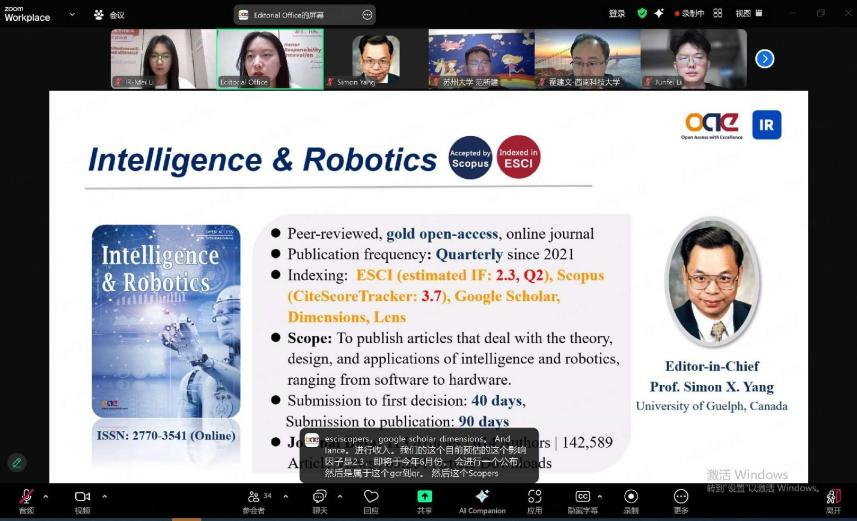
Figure 10. Junior Editorial Meeting in April 2025
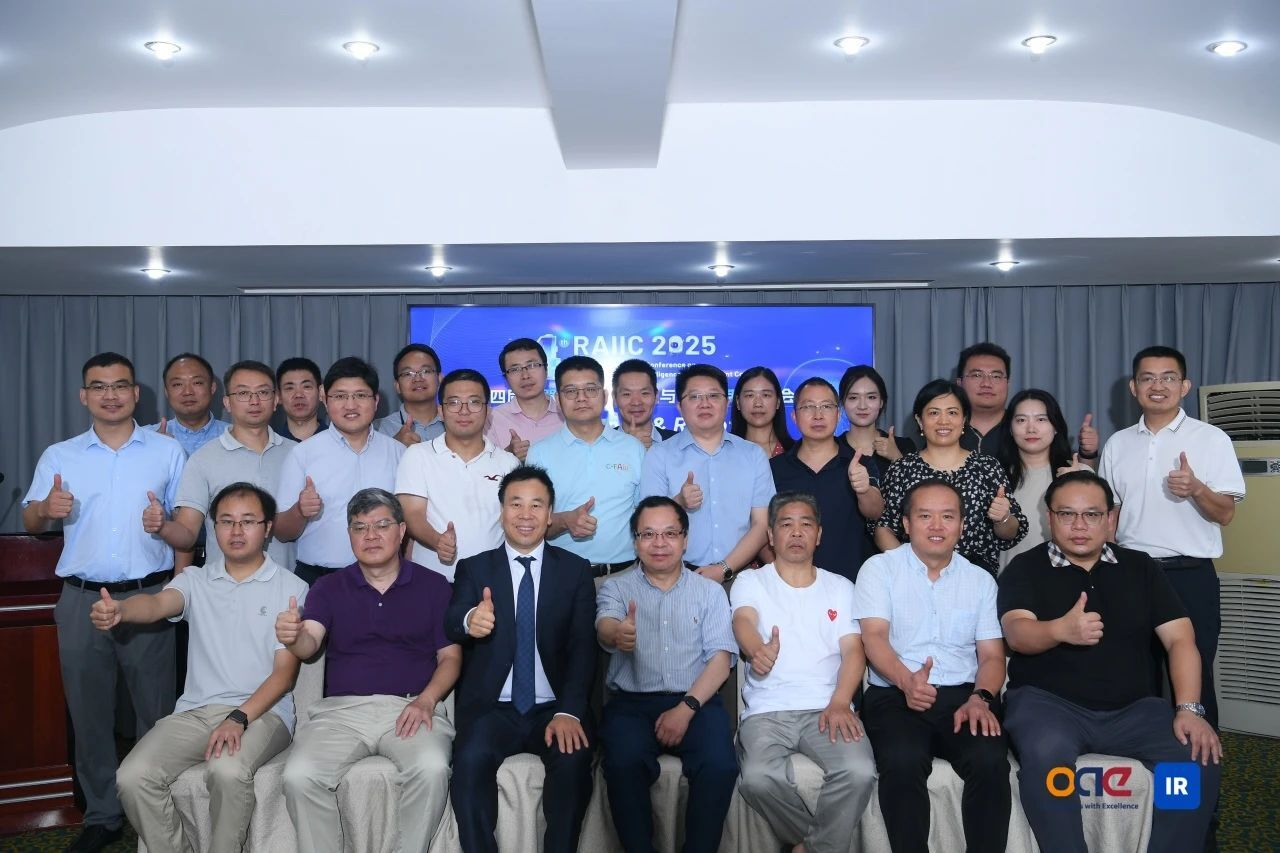
Figure 11. Offline Editorial Meeting in July 2025
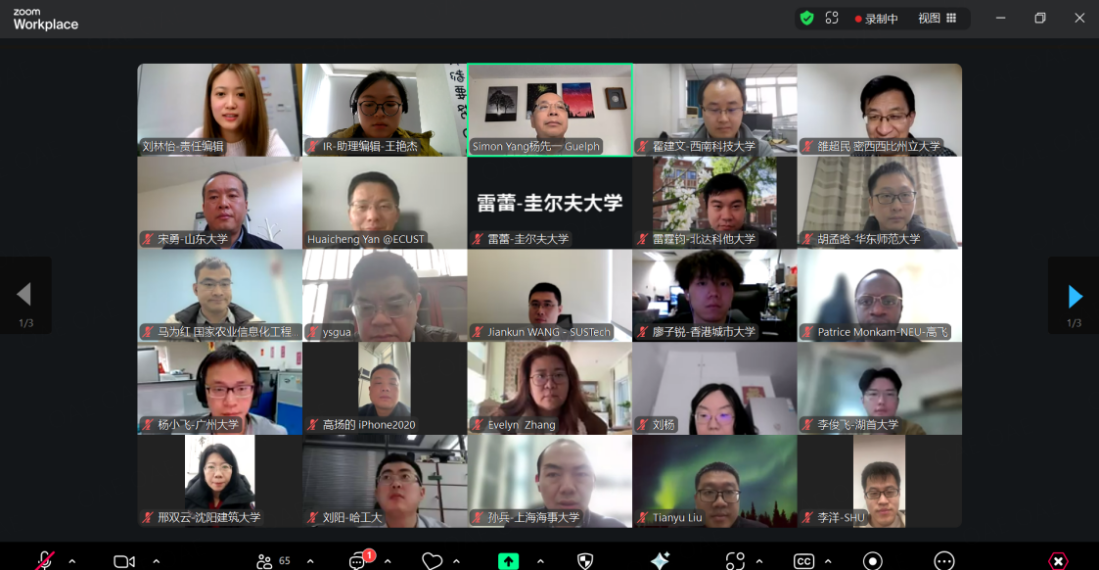
Figure 12. Editorial Board Meeting in December 2025
7. Webinars
In 2025, IR organized three online webinars, including one in Chinese. The combined attendance across all broadcasting platforms exceeded 30,000 participants, demonstrating strong global interest. These events provided opportunities for academic exchange, facilitated interaction between researchers, and enhanced journal visibility. Overall, participant feedback indicated positive engagement and interest in IR's thematic focus.



Figure 13. Online Webinars in 2025
8. Expert Interview
In the same year, IR conducted a special interview with Executive Editor-in-Chief Prof. Lei Lei from the College of Engineering, University of Guelph, Canada. The interview focused on recent research developments and explored future directions in machine learning, the Internet of Things, and connected autonomous vehicles, providing readers with expert perspectives on emerging trends in intelligence and robotics.

Figure 14. Special Interview with Prof. Lei Lei
9. Academic Conferences and Outreach
Continuing its efforts to engage the research community, IR's editorial team participated in three major academic conferences in 2025:
- The 4th International Conference on Robotics, Artificial Intelligence and Intelligent Control (RAIIC 2025), Chengdu, China
- The 2025 IEEE/RSJ International Conference on Intelligent Robots and Systems (IROS), Hangzhou, China
- The 16th International Federation of Automatic Control (IFAC) Symposium on Analysis, Design and Evaluation of Human-Machine Systems, Beijing, China
At these events, Editorial Board members actively promoted the journal and engaged in in-depth discussions with leading experts and researchers, gaining valuable insights into emerging scientific trends and cutting-edge developments in intelligence and robotics. These interactions enhanced IR's global visibility and influence while creating opportunities for future collaborations and attracting high-quality manuscript submissions.

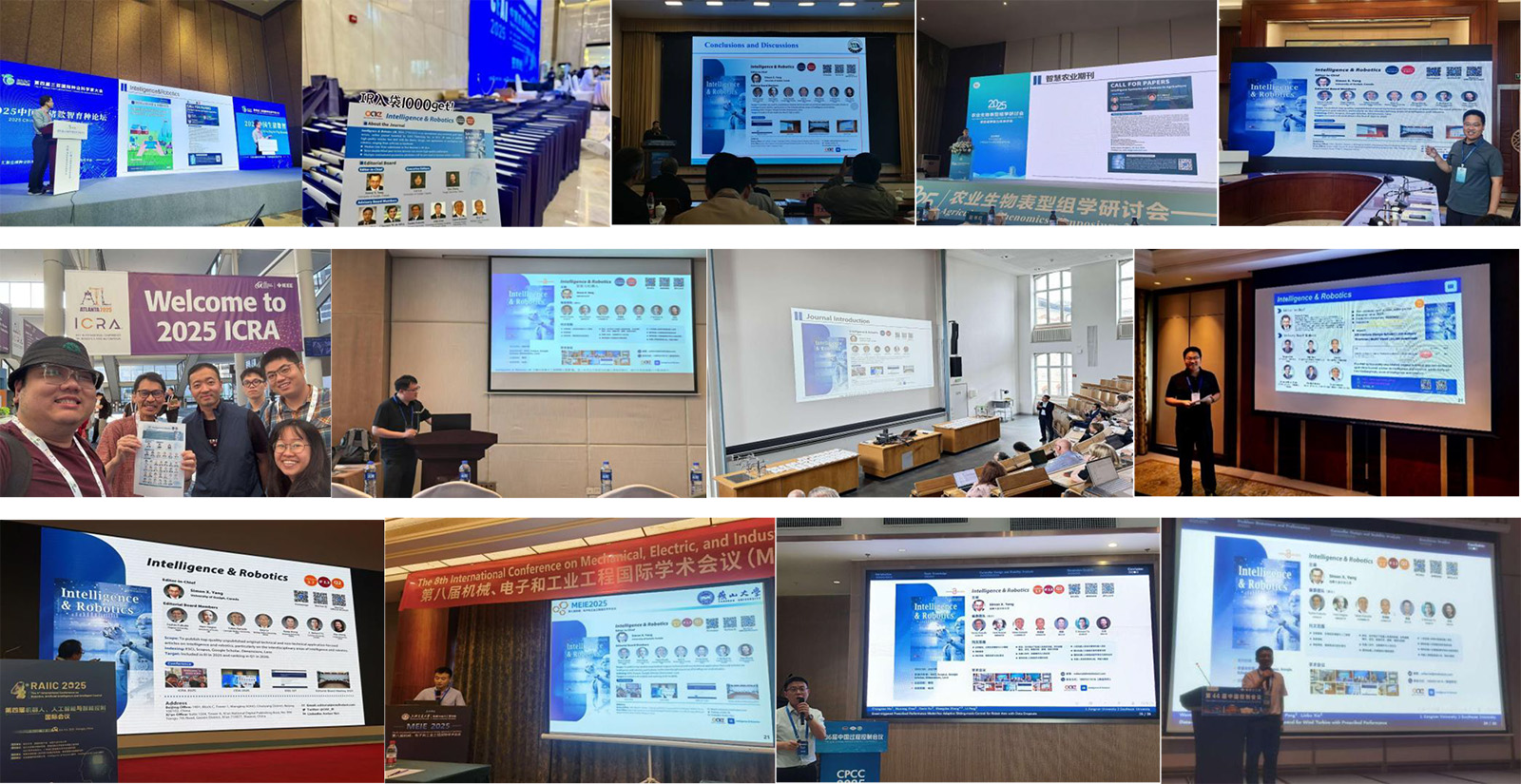

Figure 15. IR Team at Academic Conferences in 2025
10. Partnerships
In addition to conference participation, IR established partnerships with five leading academic events worldwide in 2025. These collaborations further expanded the journal's visibility, reinforced its academic influence, and strengthened its position as a recognized platform for high-quality scholarly communication.
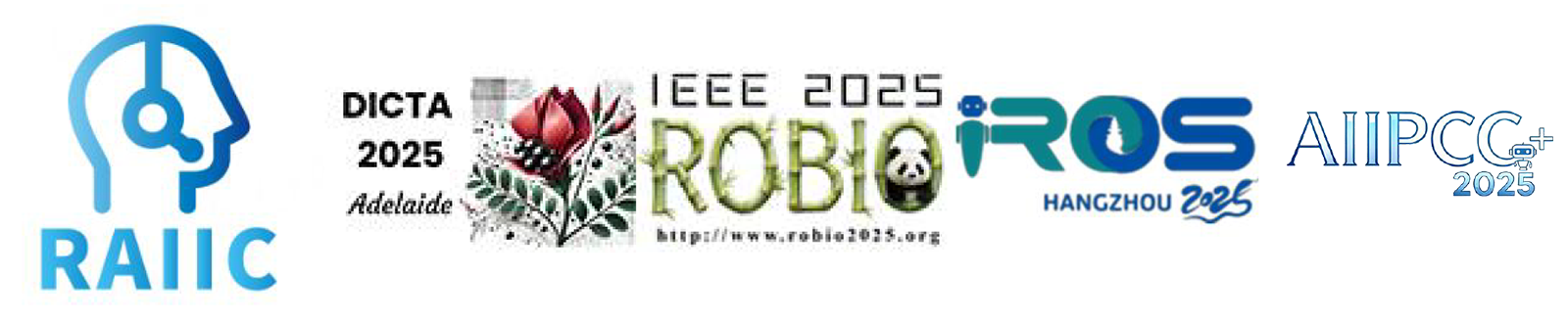
Figure 16. Partner Conferences in 2025
11. Social Media Communication
IR maintains official social media accounts on X (Intelligence & Robotics) and LinkedIn (Intelligence and Robotics (IR)), sharing updates on new publications, Special Issues, webinars, conferences, and other journal-related events to engage a global audience.
Acknowledgements
Overall, 2025 was a year of steady and constructive progress for IR. With enhanced editorial selectivity, broader international participation, increased citation activity, and expanded indexing coverage, IR continues to develop as a dynamic platform for intelligence and robotics research. We sincerely thank all Editorial Board members, guest editors, reviewers, authors, readers, and editorial staff for their dedication and support throughout the year.
Looking ahead, IR remains committed to maintaining rigorous peer review, improving editorial services, and fostering international academic exchange in AI and robotics.
Editor: Irene Liu
Language Editor: Catherine Yang
Production Editor: Ting Xu
Respectfully Submitted by the Editorial Office of Intelligence & Robotics