


Special Interview with Dr. Erik Blackwood
On June 10, 2025, the Editorial Office of The Journal of Cardiovascular Aging (JCA) conducted an interview with Dr. Erik Blackwood of the Nora Eccles Harrison Cardiovascular Research & Training Institute, University of Utah, USA, who discussed key insights into heart failure with preserved ejection fraction (HFpEF) and cardiac proteostasis.
He introduced the concept of "ERAD-OUT," showing that ER-associated degradation also targets cytosolic proteins-revealing new therapeutic opportunities for protein quality control in aging hearts. Dr. Blackwood emphasized viewing HFpEF as a multisystem metabolic disorder, where organ crosstalk drives cardiac dysfunction. His team is developing peptide-based proteostasis therapies and exploring AAV gene therapy for age-related heart failure. As a JCA Youth Editorial Board Member, he advocates advancing research on organ communication and atrial dysfunction in cardiovascular aging. This interview provides valuable insights into organ crosstalk in cardiovascular aging and offers new avenues for therapeutic intervention in HFpEF.
Watch the following video for expert insights from Dr. Erik Blackwood:
Interview Questions:
Q1. Your research on heart failure with preserved ejection fraction (HFpEF) has provided important insights into this age-related condition. What originally led you to focus on HFpEF, and were there any key mentors or collaborators early in your career who helped shape your approach?
Q2. You've done significant work on proteostasis and endoplasmic reticulum (ER) stress in the heart. How did your experiences-perhaps with researchers like Dr. Litsa Kranias or others-shape your understanding of protein regulation in aging cardiac tissue?
Q3. Your work touches on how the heart interacts with other organs in metabolic diseases, What drew you to this systems-level perspective, and how do you see this influencing future approaches to cardiovascular aging research?
Q4. You've identified novel cellular pathways like ERAD-OUT involved in cardiac proteostasis. What do discoveries like these suggest about how we can intervene in aging-related cardiac dysfunction, and how do they build on foundational work in this space?
Q5. You've also worked on gene therapy strategies for heart failure. What role do you think gene therapy could play in addressing age-associated heart conditions and what challenges still need to be overcome to bring these approaches to the clinic?
O6. As a new youth editorial board member of The Journal of Cardiovascular Aging, what unique perspective do you bring? Are there any emerging topics or collaborative models-from your own experience-that you hope to highlight in the journal?
About Dr. Erik Blackwood:
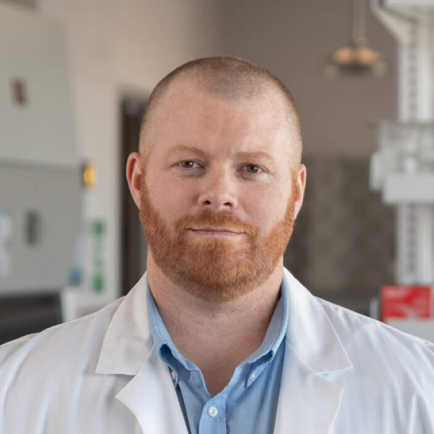
Dr. Erik Blackwood is an Assistant Professor at the Nora Eccles Harrison Cardiovascular Research & Training Institute, University of Utah, USA. His research focuses on heart failure with preserved ejection fraction (HFpEF), proteostasis, and cardiovascular aging. He discovered a novel class of ERAD substrates in cardiomyocytes, developed peptide-based therapies targeting SGK1 for HFpEF, and studies inter-organ communication and atrial dysfunction to advance translational strategies. As a Youth Editorial Board Member of The Journal of Cardiovascular Aging, he contributes to research in cardiovascular aging.
Editor: Celia Li
Language Editor: Catherine Yang
Production Editor: Ting Xu
Respectfully Submitted by the Editorial Office of The Journal of Cardiovascular Aging