

fig2
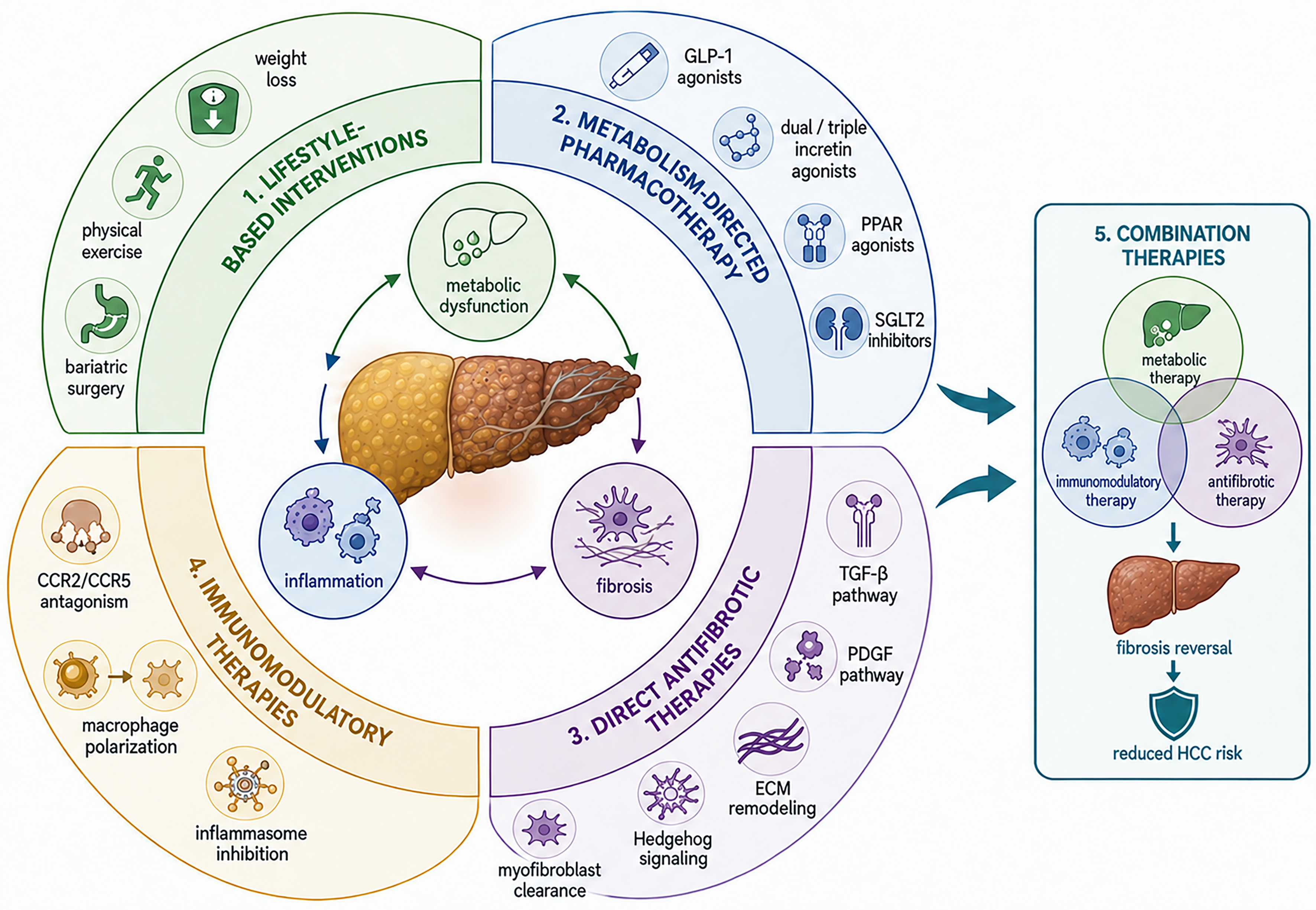
Figure 2. Therapeutic strategies targeting the MASLD/MASH fibrosis-HCC axis. Conceptual overview of interventions aimed at interrupting the pathogenic cycle linking metabolic dysfunction, hepatic inflammation, fibrosis, and hepatocarcinogenesis in MASLD/MASH. Lifestyle-based interventions, including weight loss, physical exercise, and bariatric surgery, target upstream metabolic drivers. Metabolism-directed pharmacotherapies, such as GLP-1 receptor agonists, dual or triple incretin agonists, PPAR agonists, and SGLT2 inhibitors, primarily improve systemic and hepatic metabolic dysfunction. Direct antifibrotic therapies target fibrogenic pathways, including TGF-β and PDGF signaling, Hedgehog signaling, ECM remodeling, and myofibroblast persistence or clearance. Immunomodulatory approaches, including CCR2/CCR5 antagonism, modulation of macrophage polarization, and inflammasome inhibition, aim to reduce inflammatory signaling that sustains fibrogenesis. Combination therapies integrating metabolic, immunomodulatory, and antifibrotic mechanisms may provide the greatest potential for fibrosis regression and, consequently, reduction of HCC risk. CCR2/CCR5: C-C chemokine receptor 2/5; ECM: extracellular matrix; GLP-1: glucagon-like peptide-1; HCC: hepatocellular carcinoma; MASLD: metabolic dysfunction-associated steatotic liver disease; MASH: metabolic dysfunction-associated steatohepatitis; PDGF: platelet-derived growth factor; PPAR: peroxisome proliferator-activated receptor; SGLT2: sodium-glucose cotransporter 2; TGF-β: transforming growth factor-β.