
Volume 4, Issue 4 (2025) – 3 articles
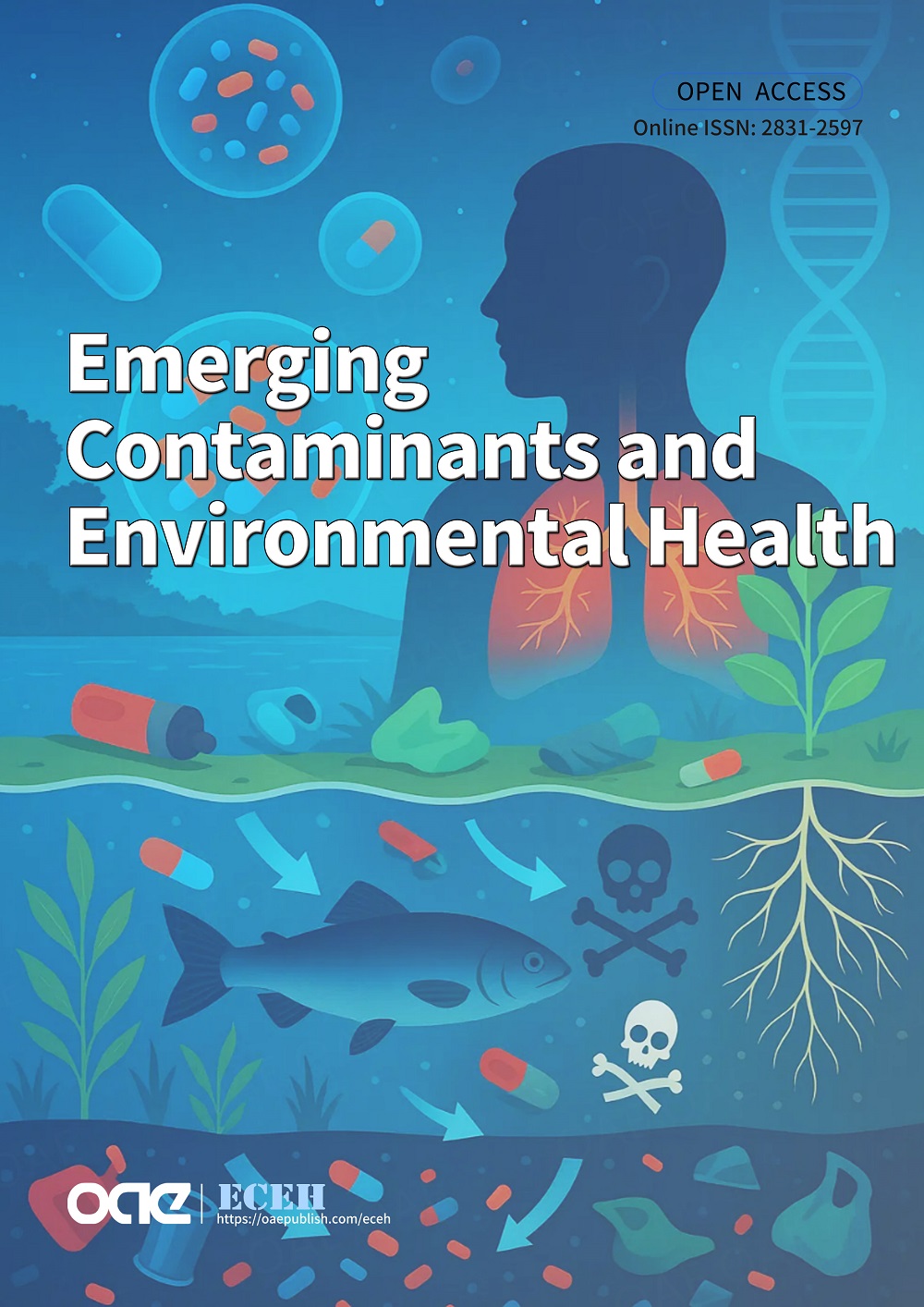
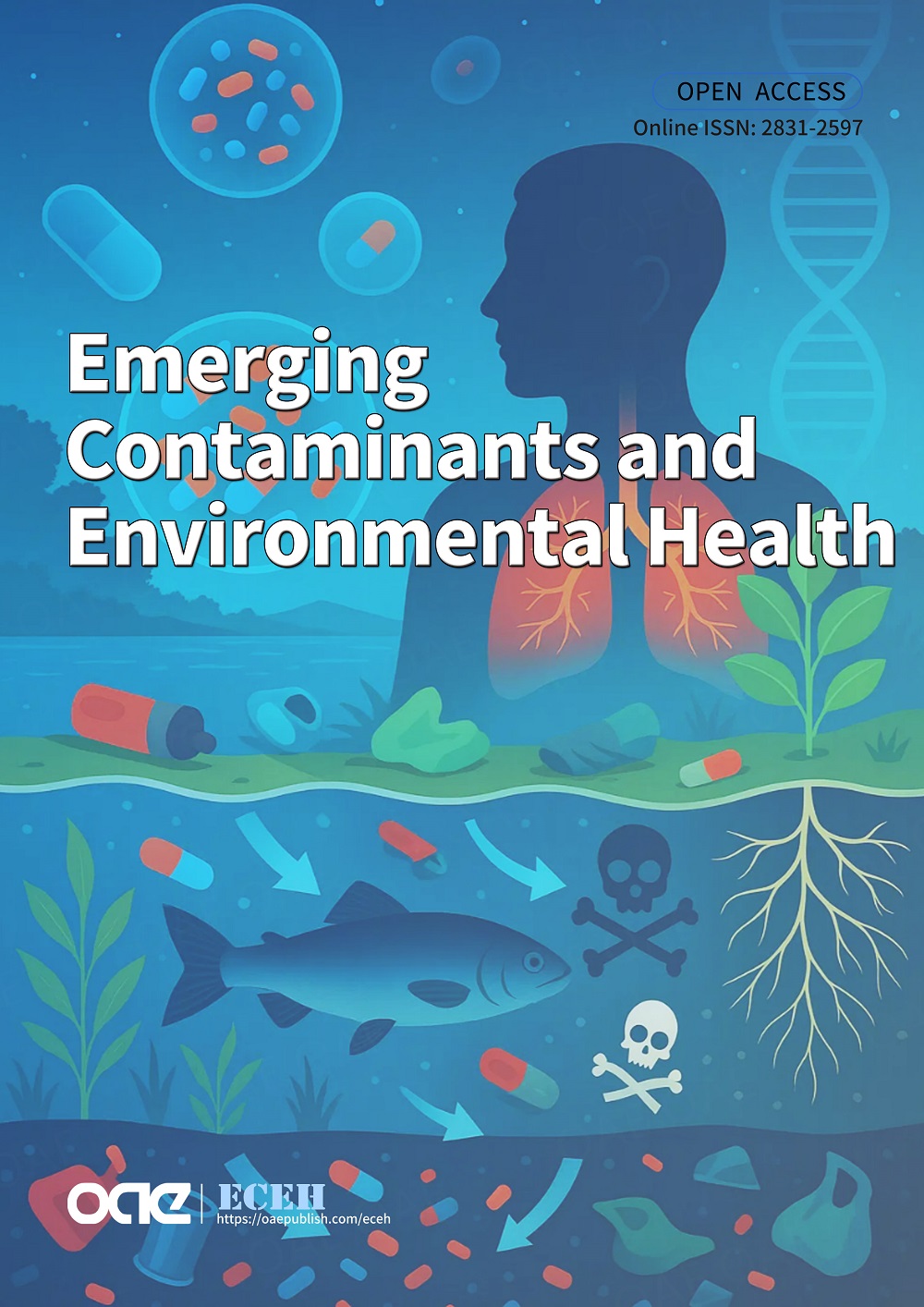
Cover Picture: Microplastics (MPs) in surface waters undergo both photoaging and biofilm colonization, yet their interactive effects remain poorly understood. This study systematically examined the effects of varying degrees of photoaging on the physicochemical properties, biofilm formation, and bacterial community structure and function of polypropylene (PP) and polylactic acid (PLA) MPs. Results showed that prolonged photoaging caused extensive fragmentation and oxidation in PLA, leading to substantially increased organic leaching, whereas PP primarily exhibited increased surface roughness and specific surface area. Microcosm biofilm incubation results indicated that photoaging reduced the biofilm formation in PLA. Also, bacterial abundance and diversity in biofilms decreased in highly photoaged PLA relative to pristine ones, suggesting that excessive photodegradation exerted inhibitory effects on microbial colonization in PLA MPs. In contrast, photoaging displayed few effects on biofilm formation on PP, where bacterial community structures gradually reorganized and stabilized during incubation. Microbial functional prediction results indicated that microbial metabolic activity in PLA decreased with increasing photoaging degrees, while PP showed minor changes in metabolic functions. This study revealed the distinct regulatory mechanisms of photoaging on the ecological behavior of different MP types, providing a deep understanding of their environmental fate and behavior in natural water.
view this paper