

Congratulations to Editorial Board Members of Hepatoma Research Recognized as Clarivate Highly Cited Researchers 2025
On November 12, 2025, Clarivate released its annual list of Highly Cited Researchers 2025, recognizing researchers worldwide who have demonstrated exceptional scientific influence in their respective fields. The 2025 list includes 6,868 scientists from over 1,300 institutions across 60 countries and regions. Among them, 1,406 awards are designated to researchers based in mainland China, representing 19.7% of the total.
We are delighted to announce that four esteemed Editorial Board Members of Hepatoma Research have been named to this prestigious list:
- Prof. Jia Fan - Senior Advisory Editor
- Prof. Richard S. Finn - Editorial Board Member
- Prof. Shukui Qin - Honorary Editor-in-Chief
- Prof. Antonio Bertoletti - Associate Chief Editor
We wish to take this opportunity to express our gratitude for the immense impact these researchers have had on scientific progress in the field as well as on the development of our journal.
Prof. Jia Fan
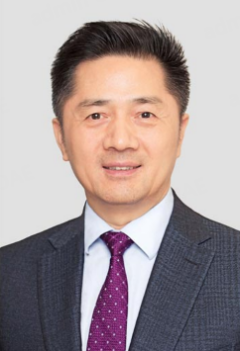
Highly Cited Researcher 2025 - Clinical Medicine
Department of Liver Surgery, Fudan University, Shanghai, China
Prof. Jia Fan is an Academician of the Chinese Academy of Sciences and currently serves as President of Zhongshan Hospital, Fudan University, as well as Director of the Liver Cancer Institute, Fudan University. He is also Professor of Liver Surgery and Director of the Department of Oncology and Organ Transplantation Center at Zhongshan Hospital. Prof. Fan has made outstanding contributions to both the clinical management and basic research of hepatocellular carcinoma (HCC). He has received the Second-Class State Science and Technology Awards of China twice, in recognition of his work on the comprehensive management of portal vein tumor thrombosis in HCC and strategies to prevent and treat tumor recurrence following liver transplantation. In addition, he was awarded the First Prize of the Natural Science Award of the Ministry of Education of China for his basic research on the HCC tumor microenvironment.
Clinically, Prof. Fan has performed more than 9,000 liver resections and over 2,200 liver transplantations for liver cancer patients. He extended the Milan criteria to the "Shanghai-Fudan criteria" in HCC patients. In basic research, his group identified a plasma microRNA panel that has been successfully translated into clinical usage for early HCC diagnosis. His group has also discovered novel mechanisms underlying HCC metastasis, including predictive biomarkers, therapeutic targets, and the critical role of the tumor microenvironment. To date, Prof. Fan has published more than 140 papers as first or corresponding author in SCI (Science Citation Index) journals, such as Nature, The Lancet Oncology, Journal of Clinical Oncology, Gastroenterology, and Hepatology.
Prof. Richard S. Finn
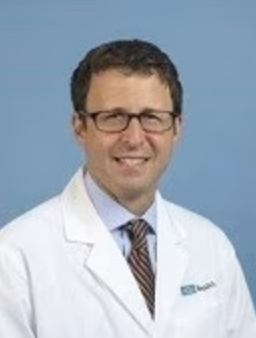
Highly Cited Researcher 2025 - Clinical Medicine
Department of Medicine, Division of Hematology/Oncology, David Geffen School of Medicine at the University of California, Los Angeles (UCLA), CA, USA
Prof. Richard S. Finn is Professor of Clinical Medicine in the Division of Hematology/Oncology at the David Geffen School of Medicine at UCLA and Director of the Signal Transduction Program at the Jonsson Comprehensive Cancer Center, Los Angeles, USA.
Balancing clinical care with laboratory and clinical research, Prof. Finn's research is primarily focused on the development of molecularly targeted agents and biomarkers for liver cancer and breast cancer. He has served as principal investigator and sub-investigator in clinical trials evaluating targeted therapies in breast and hepatocellular cancers. He has a particular interest in identifying predictive biomarkers that can guide treatment decisions and optimize responses to novel therapeutic agents. His work has significantly contributed to the development of several groundbreaking therapeutics that have led to paradigm shifts in cancer treatment.
Prof. Finn is an active member of prominent organizations such as the American Society of Clinical Oncology (ASCO), the American Association for Cancer Research (AACR), and the European Society for Medical Oncology (ESMO). He is a Past President of the International Liver Cancer Association (ILCA) and currently also serves on the Editorial Board of Clinical Cancer Research.
Prof. Shukui Qin
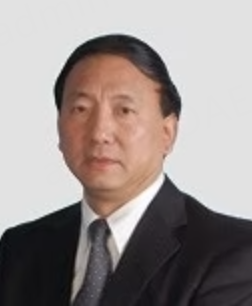
Highly Cited Researcher 2025 - Clinical Medicine
Cancer Center, Jinling Hospital, Nanjing University of Chinese Medicine, Nanjing, Jiangsu Province, China
Prof. Shukui Qin is Deputy Director of People's Liberation Army (PLA) 81 Hospital, Director of the Cancer Center of the Chinese PLA, and Director of the National Drug Clinical Trial Agency at PLA 81 Hospital in Nanjing, China. He also serves as the Executive Member of the Asian Clinical Oncology Society (ACOS), Chair of the Chinese Society of Clinical Oncology (CSCO), Council Member of the PLA Medical Science Commission (and Executive Member of its Oncology Society), Member of the Oncology Branch of the Chinese Medical Association, and Expert Committee Member of National Tumor Standardized Diagnosis and Treatment Program under the Ministry of Health of China (and also the leader of the Liver Cancer Expert Panel and Cancer Pain Expert Panel). Additionally, he is Vice President of the Beijing Xisike Clinical Oncology Research Foundation and Member of the China Anti-Cancer Association (CACA) (and Vice Chairman of the Committee of Rehabilitation and Palliative Care affiliated to CACA).
After decades of clinical practice and research, Prof. Qin has gained extensive expertise in the treatment of gastrointestinal cancers and their bone metastases. He has authored over 400 peer-reviewed articles and has been recognized with numerous ministerial- and provincial-level awards, including four first-class prizes, two second-class prizes, seven third-class prizes, and two fourth-class prizes. He has also received special government allowances from the State Council of China and the PLA for his outstanding contributions. Beyond his clinical and research achievements, Prof. Qin serves as Editor-in-Chief of two influential Chinese oncology journals, Journal of Clinical Oncology and Clinical Oncology Tribune, contributing significantly to the development of oncology research and practice in China.
Prof. Antonio Bertoletti
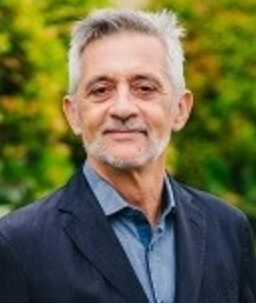
Highly Cited Researcher 2025 - Cross-Field
Emerging Infectious Diseases Programme, Duke-National University of Singapore (Duke-NUS) Medical School, Singapore
Prof. Antonio Bertoletti is a distinguished expert in viral hepatitis, with a specific focus on the immunopathogenesis of hepatitis B virus (HBV) infection. He is a Full Professor in the Emerging Infectious Diseases Programme at Duke-NUS Medical School and holds an adjunct appointment at the Singapore Immunology Network, Agency for Science, Technology and Research (A*STAR). He is the recipient of the 2023 International Recognition Award from the European Association for the Study of the Liver (EASL) and a two-time awardee of the Singapore Translational Research Award (2013, 2018).
In 2015, Prof. Bertoletti founded Lion TCR Pte. Ltd. (http://liontcr.com), a biotechnology company dedicated to developing immune-based therapies for virus-related cancers (including HBV-HCC and Epstein-Barr virus (EBV)-associated malignancies) and chronic viral infections. The company specializes in T cell receptor (TCR)-engineered T cell therapies targeting viral antigens expressed by cancer cells and has been a pioneer in initiating and conducting Phase I and II clinical trials in Singapore and China for the treatment of HBV-HCC relapses in liver transplant patients and primary HCC cases. Currently, Prof. Bertoletti serves as Chairman of the Board and is a major shareholder.
His research focuses on advancing novel immunology-based therapies, including TCR-redirected T cells, for the treatment of chronic HBV infection and HCC. Additionally, he is actively involved in studying antiviral immunity in chronic HBV patients. Since the COVID-19 pandemic, his laboratory has made significant contributions to characterizing SARS-CoV-2-specific T cell immune responses in COVID-19 and SARS convalescent individuals, as well as in healthy subjects (Le Bert et al., Nature 2020, 584: 457-62).
Editor: Yuqi Hou
Language Editor: Catherine Yang
Production Editor: Ting Xu
Respectfully Submitted by the Editorial Office of Hepatoma Research