

Special Interview with Prof. Wah Kheong Chan, University of Malaya
On October 20, 2026, Hepatoma Research had the pleasure of interviewing Prof. Wah Kheong Chan from the University of Malaya, Malaysia, to discuss his research and perspectives on advances in liver disease and hepatocellular carcinoma (HCC).
Prof. Chan is a Professor of Medicine, Director of the Division of Gastroenterology and Hepatology, and Senior Consultant Gastroenterologist and Hepatologist at the University of Malaya. His research focuses on metabolic dysfunction-associated steatotic liver disease (MASLD), viral hepatitis, hepatocellular carcinoma, and diagnostic and therapeutic endoscopy. He has made significant contributions to clinical and translational research in metabolic liver disease and has served on the editorial boards of several leading gastroenterology and hepatology journals. He has also been recognized among the world's top 2% scientists in his field from 2021 to 2025.
Through this interview, Prof. Chan shared his perspectives on the therapeutic potential of fibroblast growth factor 21 (FGF21) in metabolic dysfunction-associated steatotic liver disease (MASLD) and metabolic dysfunction-associated steatohepatitis (MASH). He discussed the role of FGF21 in regulating glucose and lipid metabolism and energy homeostasis, key challenges in current MASLD/MASH prevention and treatment, and emerging research directions that may shape future therapeutic strategies. His insights offer valuable perspectives on translating metabolic research into clinical advances.
Interview video goes here.
Interview Question
Q1. Could you please share the motivation behind writing your review entitled "Fibroblast Growth Factor 21 in Metabolic Dysfunction-Associated Steatotic Liver Disease and Beyond: From Bench to Bedside"?
Q2. In your opinion, as MASLD has become one of the fastest-growing causes of chronic liver disease worldwide, what are the major challenges that currently limit effective prevention and treatment of MASLD/MASH?
Q3. In your review, you highlighted the metabolic regulatory functions of FGF21. Could you explain how FGF21 influences glucose metabolism, lipid metabolism, and energy homeostasis in MASLD?
Q4. During the preparation of this review, what were the most important knowledge gaps or emerging areas that you identified in the field?
Q5. With recent advances in MASLD therapies, including metabolic drugs and emerging molecular targets, how do you envision the future treatment landscape of MASLD/MASH?
About the Interviewee:
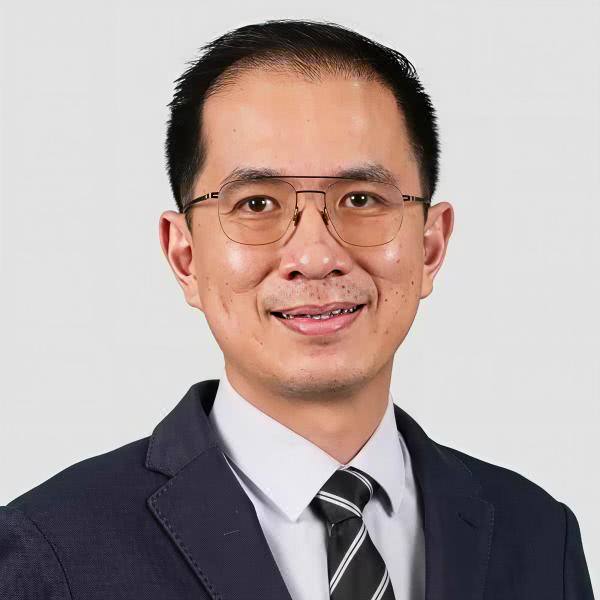
Prof. Wah Kheong Chan, PhD, FRCP Edin, is Professor of Medicine, Director of the Division of Gastroenterology and Hepatology, and Senior Consultant Gastroenterologist and Hepatologist at the University of Malaya, the University of Malaya Medical Centre, and the University of Malaya Specialist Centre, Malaysia. He has contributed to the international hepatology community through his roles in professional organizations, including the Global NASH Council and the Gut and Obesity Asia Workgroup, and has served on the editorial boards of leading journals such as Clinical Gastroenterology and Hepatology, Alimentary Pharmacology & Therapeutics, and Clinical and Molecular Hepatology.
His research focuses on metabolic dysfunction-associated steatotic liver disease (MASLD), viral hepatitis B and C, and hepatocellular carcinoma (HCC), with particular interests in the clinical assessment and management of metabolic liver disease. His work also encompasses diagnostic and therapeutic endoscopy and clinical research aimed at improving the understanding, diagnosis, and management of chronic liver diseases.
Editor: Sheldon Song
Production Editor: Xingyue Luo
Respectfully Submitted by the Editorial Office of Hepatoma Research