



Fibroblast growth factor 21 in metabolic dysfunction-associated steatotic liver disease and beyond: from bench to bedside
 0
0 Abstract
Metabolic dysfunction-associated steatotic liver disease (MASLD) is the most common cause of chronic liver disease; its prevalence is increasing and projected to affect over half of the global population by 2040. Metabolic dysfunction-associated steatohepatitis (MASH), the more severe form of MASLD, is already a leading cause of cirrhosis and hepatocellular carcinoma worldwide. Two pharmacological agents have been approved for the treatment of MASH with moderate or advanced fibrosis, but none for MASH-related cirrhosis - the stage of the disease carrying the highest risk of decompensated cirrhosis, morbidity and mortality. A positive signal from a Phase 2 study of a fibroblast growth factor 21 (FGF21) analog in patients with MASH-related cirrhosis provided hope in overcoming this significant unmet need and served as the impetus for this narrative review. FGF21 is a member of the fibroblast growth factor (FGF) superfamily with unique biology and endocrine functions, acting primarily in the liver and adipose tissue to regulate metabolic pathways involved in glucose handling, lipid oxidation, and energy expenditure. Advancements in the engineering of FGF21 molecules have provided the foundation for therapeutic agents with improved biophysical properties and manufacturing advantages. FGF21 analogs have demonstrated anti-inflammatory and anti-fibrotic effects in the liver, positioning them as promising therapeutic agents for MASH. While further studies are needed to see if an FGF21 analog can indeed be the first approved therapeutic agent for MASH-related cirrhosis, it is also worth exploring other potential applications of FGF21 beyond the liver.
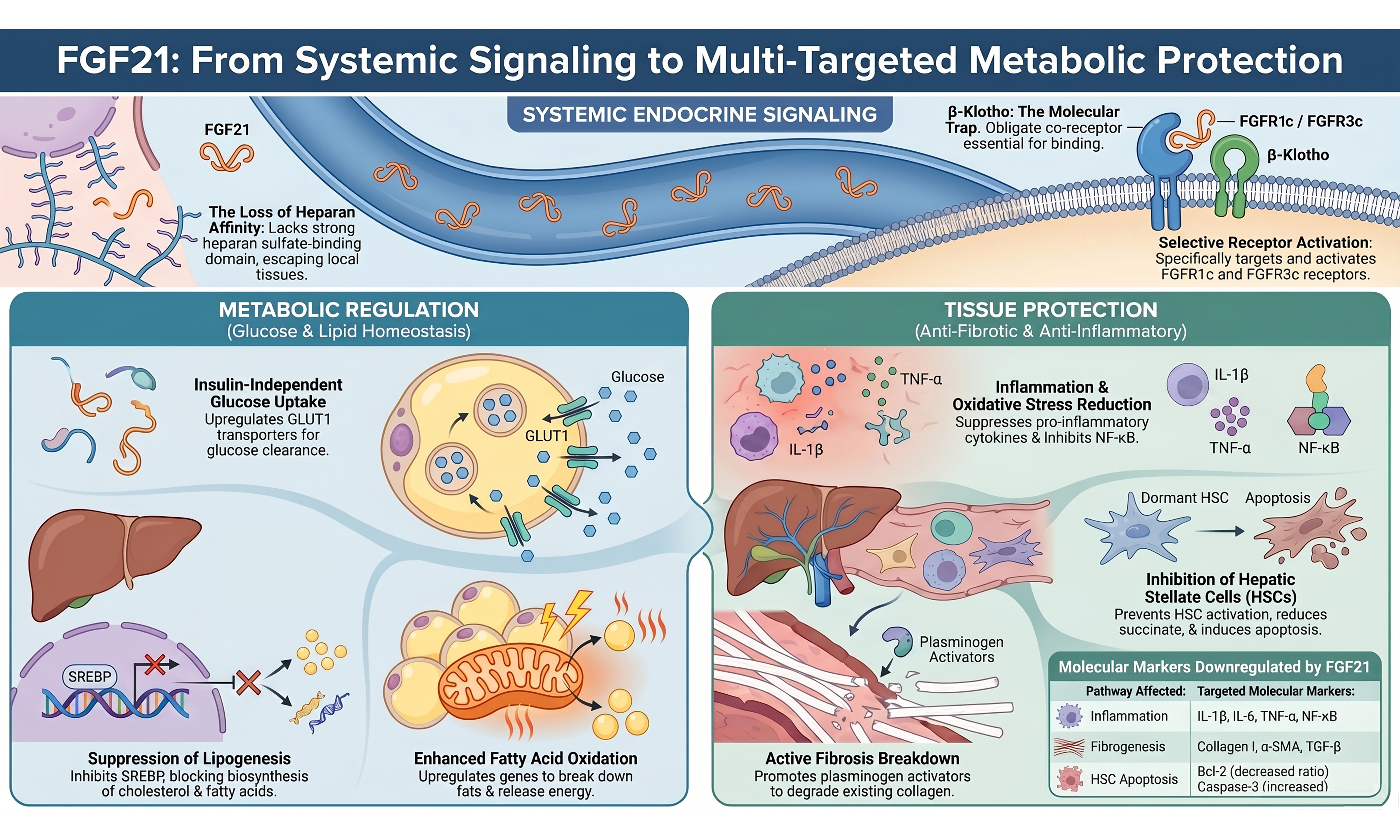
Keywords
INTRODUCTION
Metabolic dysfunction-associated steatotic liver disease (MASLD) is the liver manifestation of metabolic syndrome and is defined clinically by hepatic steatosis in the presence of at least one cardiometabolic risk factor[1]. MASLD is recognised as the most common cause of chronic liver disease, affecting an estimated 38% of the global adult population. The prevalence of MASLD is projected to rise alongside increasing rates of obesity and related disorders, with over half of the global population expected to be affected by 2040[2]. Metabolic dysfunction-associated steatohepatitis (MASH) is the more severe form of MASLD, characterised by lobular inflammation and hepatocyte ballooning, which can progress to fibrosis, cirrhosis, and an increased risk of hepatocellular carcinoma (HCC)[3]. Due to its high prevalence, MASLD has emerged as the leading cause of cirrhosis and HCC worldwide[4]. Because obesity is fuelled by an obesogenic environment, a holistic approach based on the socio-ecological model is essential to ensure effective and sustainable measures in tackling obesity and its associated diseases, including MASLD[5].
At the individual level, positive health behavioural changes can attenuate and even ameliorate histological changes of MASLD that serve as surrogates for long-term adverse liver outcomes; however, only a small proportion of individuals achieve the desired weight loss, even under the ideal circumstances of a comprehensive lifestyle program[6]. Fortunately, pharmacological therapy has advanced with the regulatory approval of resmetirom, a thyroid hormone receptor-β (THR-β) agonist, and semaglutide, a glucagon-like peptide-1 (GLP-1) receptor agonist, for the treatment of MASH with moderate or advanced (F2-F3) fibrosis following positive findings in the respective Phase 3 studies[7,8]. However, these medications have not been demonstrated to be effective in patients with MASH-related cirrhosis. In a Phase 2 study of patients with MASH and compensated cirrhosis, semaglutide 2.4 mg weekly failed to achieve the primary endpoint of significantly greater fibrosis improvement without worsening of MASH compared with placebo after 48 weeks of treatment[9]. This represents a significant unmet need, as there is currently no approved pharmacological therapy for patients with MASH and compensated cirrhosis, who remain at the highest risk of developing decompensated liver disease, morbidity and mortality. In this context, a positive signal from a Phase 2 study on efruxifermin - a fusion protein of human immunoglobulin G1 (IgG1) fragment crystallizable (Fc) domain linked to a modified human fibroblast growth factor 21 (FGF21) - provides some hope[10]. Although the primary endpoint of the study was not met, efruxifermin 50 mg weekly resulted in significantly greater fibrosis improvement without worsening of MASH compared with placebo after 96 weeks of treatment, making it the first ever pharmacological therapy to achieve this in patients with MASH-related cirrhosis[11]. This narrative review focuses on FGF21, a hormone-like protein that serves as a key regulator of energy, glucose and lipid metabolism in the human body, its mechanisms of action, and the development of related compounds for therapeutic use in various metabolic conditions, including MASLD.
THE FIBROBLAST GROWTH FACTOR SUPERFAMILY
The fibroblast growth factor (FGF) superfamily comprises a large number of structurally related growth factors that regulate a wide range of biological processes, such as cell growth, differentiation, survival, angiogenesis, and embryonic development[12]. Most FGFs are relatively small proteins, typically between 17 and 34 kDa. Their biological effects are mediated through binding to fibroblast growth factor receptors (FGFRs), which are receptor tyrosine kinases located on the cell surface. Upon ligand binding, FGFRs dimerize and undergo autophosphorylation, leading to activation of intracellular signalling pathways, such as Ras/mitogen-activated protein kinases (MAPK) and phosphatidylinositol-3 kinase/protein kinase B (PI3K/AKT), among others. For the majority of FGFs, often referred to as canonical FGFs, effective signalling depends on the presence of heparan sulphate proteoglycans (HSPGs) on the cell surface or in the extracellular matrix. These molecules act as co-receptors that stabilize the interaction between FGFs and FGFRs, helping to confine signalling to the local tissue environment. As a result, canonical FGFs typically function in a paracrine or autocrine manner rather than acting systemically.
FGF genes are highly conserved across evolution and are found in organisms ranging from invertebrates, such as Drosophila and Caenorhabditis elegans, to vertebrates[13]. This conservation highlights their fundamental biological importance. Comparative genomic studies suggest that many members of the FGF family arose through gene duplication events early in vertebrate evolution, prior to the emergence of tetrapods. Based on sequence homology, receptor preference, and functional characteristics, FGFs are commonly grouped into seven subfamilies, although alternative classification schemes have been proposed[12].
One distinct subgroup is the endocrine FGF family, which includes FGF19 (FGF15 in mice), FGF21, and FGF23[14]. Unlike canonical FGFs, these proteins display very low affinity for heparan sulphate, allowing them to diffuse away from the extracellular matrix and enter the circulation[15]. Consequently, endocrine FGFs act as hormones and mediate long-range communication between different tissues.
FGF21
FGF21 is a member of the FGF15/19 endocrine subfamily and is most closely related to FGF19 and FGF23[16]. Although all endocrine FGFs signal through FGFRs, they differ in their dependence on specific co-receptors. FGF21, like FGF19, requires the transmembrane protein β-klotho as an obligate co-receptor, whereas FGF23 depends on α-klotho[17,18]. A key role of these klotho proteins is to act as molecular “traps” at the cell surface, thereby conferring tissue specificity. They restrict FGF signalling to cells that express both the appropriate FGFR isoform and the required klotho co-receptor. The absence of a heparan sulphate-binding domain is central to FGF21 biology [Figure 1][19]. Because it does not bind strongly to extracellular matrix components, FGF21 can diffuse away from its site of synthesis and circulate systemically. In this way, it functions as an endocrine hormone rather than a local growth factor. This increased mobility, however, comes at the cost of strict dependence on β-klotho for effective receptor activation, which limits FGF21 responsiveness to specific target tissues. In humans, β-klotho expression is most prominent in the liver and white adipose tissue[20].
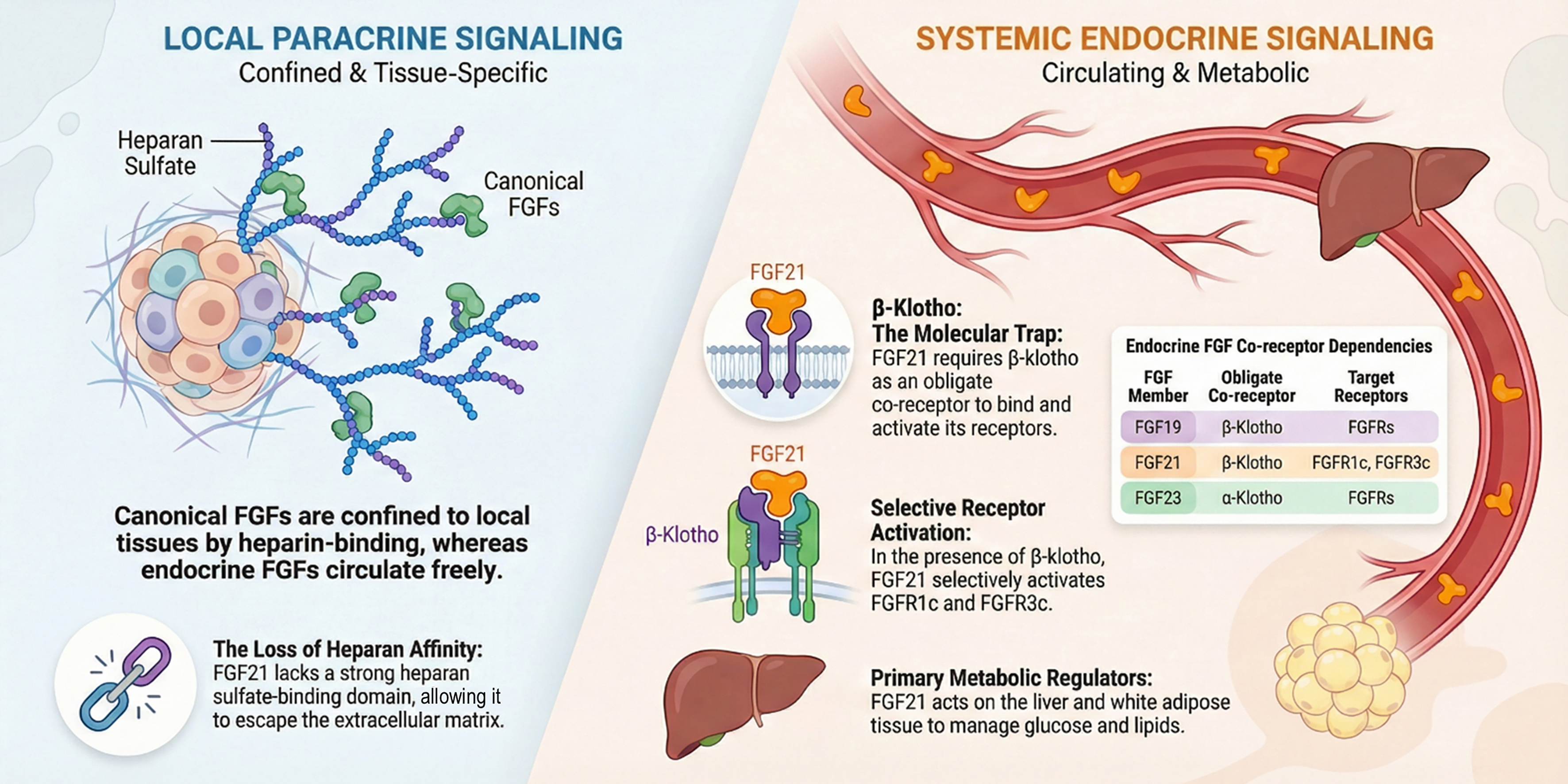
Figure 1. FGF21 signalling transitions from local paracrine to systemic endocrine action. (Left) Canonical FGFs bind HSPGs in the extracellular matrix, restricting their activity to local, tissue-specific paracrine signalling; (Right) In contrast, FGF21 lacks a strong heparan sulfate-binding domain, allowing it to escape the extracellular matrix and circulate systemically as an endocrine hormone. FGF21 requires the co-receptor β-Klotho to bind and activate FGFRs, conferring tissue specificity by limiting receptor activation to cells co-expressing β-Klotho and the appropriate FGFR isoforms (FGFR1c and FGFR3c). Through this mechanism, FGF21 primarily regulates metabolic functions in the liver and white adipose tissue. The inset table summarizes co-receptor dependencies and target receptors of endocrine FGFs. FGF: Fibroblast growth factor; FGFR: fibroblast growth factor receptor; HSPG: heparan sulfate proteoglycan.
At the receptor level, in vitro studies show that FGF21 selectively activates FGFR1c and FGFR3c in the presence of β-klotho[21]. The binding of FGF21 to FGFR1c- or FGFR3c-β-Klotho receptor complexes induces receptor autophosphorylation and phosphorylation of FRS2α, leading to activation of the MAPK/extracellular signal-regulated kinase (ERK) and PI3K/AKT signalling cascades. FGFR1c is widely distributed throughout the body, primarily in adipose tissue, while FGFR3c has a narrower distribution profile, focusing heavily on the skeletal system and central nervous system[22]. In vivo, signalling through FGFR1c and β-klotho is particularly important in hepatocytes and adipocytes, where FGF21 regulates metabolic pathways involved in lipid oxidation, glucose handling, and energy expenditure[17,23]. By contrast, FGF21 does not activate FGFR4, a receptor associated with hepatocyte proliferation and bile acid regulation. This distinction has important implications for safety and disease associations. In addition to its endocrine actions, FGF21 can also act in autocrine or paracrine manners in cells that co-express FGFRs and β-klotho, further adding to the complexity of its biological effects.
HISTORICAL BACKGROUND AND DISCOVERY OF FGF21
FGF21 was identified in 2000 as a novel member of the FGF family, drawing early attention to its potential role in metabolic regulation[24]. The FGF21 gene was first cloned by Dr. Nobuyuki Itoh’s group at Kyoto University using a homology-based polymerase chain reaction (PCR) approach with FGF-derived degenerate primers[24]. Around the same time, Nishimura et al. detected FGF21 in a mouse model by quantitative reverse-transcription PCR using primers designed for human FGF19. Initial expression analyses showed high FGF21 mRNA levels in the liver and thymus, which for several years represented the main clues to its biological function. The human ortholog was identified shortly thereafter, confirming evolutionary conservation and sustained hepatic expression across species[24]. Although initially classified within the FGF family, FGF21 soon became recognized as distinct from classical paracrine FGFs. Unlike growth-promoting FGFs that bind heparan sulphate and act locally, FGF21 lacks this binding domain, allowing it to enter the circulation and signal in an endocrine manner. This structural feature placed FGF21 within the small subgroup of so-called endocrine FGFs[25]. Subsequent studies broadened its expression profile to include adipose tissue, the pancreas, skeletal muscle, the heart, and the brain. Comparative genomic analyses later identified FGF21 in zebrafish and Xenopus tropicalis, but not in avian species[26].
The physiological relevance of FGF21 remained poorly defined until 2005, when studies from Kharitonenkov et al. showed that recombinant FGF21 improved glucose homeostasis and promoted weight loss in diabetic mice and non-human primates[27]. These findings shifted the view of FGF21 from a developmental growth factor to a regulator of metabolic function. Further mechanistic insight emerged in 2007 with the discovery that FGF21 expression is regulated by peroxisome proliferator-activated receptor-α (PPARα), linking the hormone to fasting, ketogenic states, and increased fatty acid oxidation[28]. Additional regulation by PPARγ later integrated FGF21 into broader transcriptional networks controlling energy balance[29].
More recently, interest in FGF21 has increasingly focused on liver disease. Through its ability to reduce hepatic lipid accumulation, inflammation, and metabolic stress, FGF21 analogs have emerged as promising candidates for the treatment of MASH (see section on Clinical development of FGF21 for MASH)[30]. Taken together, these studies illustrate how FGF21 progressed from a gene of unknown function to a central endocrine regulator with therapeutic potential in metabolic diseases.
MECHANISMS OF ACTION OF FGF21
FGF21 demonstrates potential for the treatment of metabolic diseases due to its effects on glucose and lipid metabolism, as well as its actions in the liver, including on hepatic stellate cells (HSC) and potentially hepatic fibrosis [Figure 2]. One of the primary mechanisms of action of FGF21 involves its effects on glucose metabolism. FGF21 reduces serum glucose levels without causing hypoglycemia. This reduction in glucose is driven by increased glucose uptake in adipocytes, which is insulin-independent and additive to the effects of insulin. FGF21 induces upregulation of the insulin-independent glucose transporter, glucose transporter 1 (GLUT1), contributing to the influx of glucose into cells and thereby lowering serum glucose levels. Another mechanism by which serum glucose levels are reduced is through the inhibition of glucagon release[27]. This decrease in serum glucose levels subsequently leads to a reduction in insulin secretion and circulating insulin levels. Increased insulin sensitivity is further enhanced by the action of FGF21 on brown adipose tissue[31]. While FGF21 lowers serum glucose levels without provoking hypoglycaemia[32], studies have shown that fasting induces severe hypoglycaemia in FGF21 knockout mice. This effect appears to be caused by defective hepatic gluconeogenesis, indicating that FGF21 is closely involved in modulating hepatic gluconeogenesis. FGF21 also stimulates the expression of corticotropin-releasing hormone, leading to an increase in corticosterone production through the activation of hypothalamic neurons via mitogen-activated protein kinase extracellular signal-related kinase 1/2 (ERK1/2)[32].

Figure 2. The mechanisms of action of FGF21. Schematic illustration summarizing the pleiotropic metabolic and anti-fibrotic effects of FGF21 across adipose tissue, liver, and the hepatic microenvironment. In adipocytes, FGF21 enhances insulin-independent glucose uptake through upregulation of GLUT1 transporters, contributing to improved systemic glycaemic control and insulin sensitivity. In hepatocytes, FGF21 suppresses de novo lipogenesis and cholesterol biosynthesis via inhibition of SREBP-1/2 signalling, while promoting fatty acid oxidation. Within the hepatic microenvironment, FGF21 attenuates inflammatory signalling by reducing pro-inflammatory cytokines, suppresses activation of HSCs, and increases breakdown of fibrosis by elevating serum levels of plasminogen activators. Collectively, these coordinated actions contribute to improved metabolic homeostasis and attenuation of liver inflammation and fibrosis in MASLD. FGF21: Fibroblast growth factor 21; GLUT1: glucose transporter 1; HSC: hepatic stellate cell; IL: interleukin; MASLD: metabolic dysfunction-associated steatotic liver disease; NF-κB: nuclear factor kappa B; SREBP: sterol regulatory element-binding protein; TGF: transforming growth factor; TNF: tumor necrosis factor; α-SMA: alpha-smooth muscle actin.
Additionally, FGF21 influences lipid metabolism by reducing intrahepatic fat accumulation. Genes involved in fatty acid oxidation are upregulated, leading to an increase in enzymes responsible for breaking down fatty acids and releasing energy[33]. FGF21 also suppresses sterol regulatory element-binding proteins 1 and 2, which are transcription factors required in the liver for cholesterol and fatty acid biosynthesis[34]. Furthermore, FGF21 signals in the central nervous system via FGFR1c-β-Klotho receptor complexes expressed in specific neuronal populations, thereby increasing sympathetic nervous system activity, which serves as another mechanism by which hepatic de novo lipogenesis is suppressed[35].
In animal models, the administration of FGF21 significantly reduces the serum levels of inflammatory cytokines such as interleukin 1 beta (IL-1β), interleukin 6 (IL-6), and tumour necrosis factor alpha (TNF-α). FGF21 also significantly decreases the mRNA and protein expressions of collagen I, alpha-smooth muscle actin (α-SMA), and transforming growth factor beta (TGF-β). Administration of FGF21 reduces leptin expression in a dose-dependent manner; correspondingly, proteins such as p-ERK/t-ERK, p-STAT3/STAT3, and TGF-β, which are closely related to the leptin signalling pathways, are significantly downregulated[36]. Another way by which FGF21 limits fibrogenesis is by preventing it in the first place. FGF21 has been found to reduce endothelial apoptosis and mitigate oxidative stress by suppressing high-glucose-induced overproduction of reactive oxygen species. The downregulation of pro-inflammatory mediators is also mediated by the inhibition of nuclear factor kappa-light-chain-enhancer of activated B cells (NF-κB). Concurrently, FGF21 increases the breakdown of fibrosis by elevating the serum levels of tissue-type and urokinase-type plasminogen activators[37].
HSC are resident perisinusoidal cells distributed throughout the liver and are derived embryologically from septum transversum mesenchymal cells. When activated, HSCs become α-SMA-expressing contractile myofibroblasts, which contribute to vascular distortion, increased vascular resistance, and portal hypertension[38]. In the liver, hypoxia increases succinate production. This succinate then binds to G-protein-coupled receptor 91 (GPR91), and this activation of GPR91 leads to HSC activation. Studies have shown that treatment with an FGF21 analog decreases succinate production[39]. Another way by which FGF21 treatment inhibits the activation of HSCs is via the downregulation of TGF-β and NF-κB nuclear translocation. At the same time, FGF21 promotes the apoptosis of activated HSCs by increasing the expression of pro-apoptotic factors, such as Caspase-3, and decreasing the ratio of anti-apoptotic Bcl-2 to pro-apoptotic Bax[40].
DEVELOPMENT OF FGF21 AS A THERAPEUTIC AGENT
The native form of human FGF21 is not suitable as a therapeutic agent because of its short half-life (1-2 h), proteolytic instability in vivo, and tendency to aggregate in soluble formulations in vitro. The short half-life would require frequent dosing, which is undesirable, whereas its susceptibility to in vivo proteolytic degradation compromises its potency and efficacy. Furthermore, the tendency to form aggregates poses a significant manufacturing challenge and raises safety concerns, including provoking immunogenicity and causing injection-site reactions. Various measures have been utilized to enhance the biophysical properties, pharmacokinetics, and pharmacodynamics of FGF21 to overcome these limitations. For example, LY2405319 was engineered by introducing a disulfide bond in FGF21 through L118C and A123C mutations, deleting four N-terminal amino acids to improve proteolytic stability, and adding a S167A mutation to eliminate a glycosylation site in yeast, allowing large-scale production using a yeast expression system[41]. In another study using homology modelling and structure-based design, site-specific pegylation of FGF21 was performed to produce an FGF21 analog with prolonged half-life and duration of action, making it more viable as a therapeutic candidate. This site-specific pegylation was achieved by substituting an amino acid at position 131 with para-acetyl-phenylalanine to produce a single reactive site for the protein to be coupled with polyethylene glycol[42]. This prototype became the foundational element for ARX-618, also known as BMS-986036 or pegbelfermin. Another novel glycopegylated FGF21 analog, known as BIO89-100 or pegozafermin, has polyethylene glycol covalently attached via a glycosyl moiety and an N-terminal methionine residue to prolong its half-life and duration of action[43].
Other engineered long-acting FGF21 include NN-9499, also known as zalfermin, which features an added fatty diacid element that binds reversibly to albumin; CVX-343, also known as PF-05231023, which consists of a scaffold antibody linked to a modified FGF21 peptide[44]; and Fc-FGF21(R19V)(N1710), also known as PF-06645849, a glycol-engineered Fc-fusion FGF21 protein[45]. Another agent, Fc-FGF21(RG), was derived by linking the Fc fragment of human IgG1 to the N-terminus of a modified human FGF21. Fusion with Fc increased the molecular weight of FGF21 beyond the threshold for kidney filtration and clearance, and improved its half-life through FcRn-mediated recycling. This fusion also provided manufacturing advantages, including efficient expression in bacterial host cells, lower cost, and increased solubility. Concurrently, modifications involving two key amino acid substitutions improved stability: specifically, P171G to remove a proteolytic cleavage site, and L98R to reduce protein aggregation at high concentrations[46]. Further improvements led to the development of Fc-FGF21(RGE), a homodimer of two IgG1 domains fused to a modified FGF21 molecule that has an additional amino acid mutation, A180E. This mutation increases binding affinity to the co-receptor β-Klotho and downstream FGF21 signalling, thereby increasing potency. Fc-FGF21(RGE) demonstrated an approximately 2-fold increase in half-life (from 30 to 76 h in monkeys) and 3-5-fold higher affinity for β-Klotho compared with Fc-FGF21(RG)[47]. Fc-FGF21(RGE) is also known as AMG-876, AKR-001, or efruxifermin. Its half-life in humans has been reported to be approximately 3 days, permitting a weekly dosing schedule[48]. Another molecule, BOS-580, also known as efimosfermin, features two FGF21 analog moieties fused to the Fc region of human IgG1, creating a Y-shaped structure. Together with specific mutations and a disulfide bond to improve stability, it boasts an extended half-life of approximately 21 days, enabling a monthly dosing regimen[49].
CLINICAL DEVELOPMENT OF FGF21 FOR MASH
During early clinical development of FGF21, studies were conducted in patients with obesity, hyperlipidaemia, and type 2 diabetes (T2D)[50]. These studies demonstrated a favorable safety profile and favourable effects on lowering triglyceride (TG) levels, addressing insulin resistance, reducing body weight, and increasing adiponectin levels (see section on Effect of FGF21 on other metabolic conditions)[51]. These systemic metabolic effects are mechanistically relevant to MASLD, in which hepatic fat accumulation is driven by insulin resistance, increased adipose lipolysis, and increased delivery of free fatty acids to the liver. This strong association with metabolic improvement provides a clinical rationale for evaluating FGF21 therapies in MASH, a disease driven by hepatic steatosis, inflammation, and progressive fibrogenesis[52].
Several of these agents have completed Phase 2 evaluation for MASH and are entering pivotal Phase 3 trials [Table 1]. Efruxifermin is a long-acting, bivalently linked fusion protein of modified FGF21 and the Fc domain of human IgG1. It has produced some of the most compelling Phase 2 data in MASH to date. The administration of efruxifermin 50 mg weekly in patients with biopsy-proven MASH and F2-F3 fibrosis resulted in significantly greater improvement in liver fibrosis with no worsening of MASH compared with placebo after 96 weeks in the HARMONY trial[10]. In the SYMMETRY trial of patients with biopsy-proven MASH-related cirrhosis, although efruxifermin failed to achieve the primary endpoint of improvement in liver fibrosis with no worsening of MASH after 36 weeks, the 50 mg weekly dose resulted in significantly greater improvement in fibrosis after 96 weeks, making it the first pharmacological agent to do so in patients with MASH-related cirrhosis[11]. These histologic responses were accompanied by favourable metabolic effects, improvements in hepatic lipid metabolism, a reduction in hepatocellular injury, and the attenuation of stellate cell activation secondary to reduced metabolic stress. Safety profiles across Phase 2 programs were favourable, with only mild-to-moderate gastrointestinal adverse events and no significant hepatotoxicity or cardiovascular safety signals. Pegozafermin is a long-acting glycopegylated analog of FGF21[53], which has demonstrated significantly greater resolution of steatohepatitis with no worsening of liver fibrosis, as well as improvement in liver fibrosis with no worsening of steatohepatitis, compared with placebo in patients with biopsy-confirmed MASH and F2-F3 fibrosis in the Phase 2b ENLIVEN trial[54].
Completed Phase 2b and ongoing Phase 3 clinical trials on FGF21 analogs in MASH
| Study name | Study population | Intervention | Duration | Primary endpoint | Result |
| FALCON 1[75] (Phase 2b) | Biopsy-confirmed MASH and F3 fibrosis | Pegbelfermin 10, 20 or 40 mg weekly or placebo | 24 weeks | ≥ 1-point decrease in fibrosis score without MASH worsening, or MASH improvement without fibrosis worsening | Did not achieve primary endpoint |
| FALCON 2[106] (Phase 2b) | Biopsy-confirmed MASH and F4 fibrosis | Pegbelfermin 10, 20 or 40 mg weekly or placebo | 48 weeks | ≥ 1-point decrease in fibrosis score without MASH worsening, or MASH improvement without fibrosis worsening | Did not achieve primary endpoint |
| HARMONY[68] (Phase 2b) | Biopsy-confirmed MASH and F2-F3 fibrosis | Efruxifermin 28 mg or 50 mg weekly or placebo | 24 weeks | ≥ 1 stage fibrosis improvement without worsening of MASH | Primary endpoint achieved in efruxifermin 50 mg group (41%) and efruxifermin 28 mg group (39% vs. 20% in the placebo group, P < 0.05 for both comparisons) |
| HARMONY - 96 weeks[10] (Phase 2b) | Biopsy-confirmed MASH and F2-F3 fibrosis | Efruxifermin 28 or 50 mg weekly or placebo | 96 weeks | ≥ 1 stage fibrosis improvement without worsening of MASH (this was a secondary endpoint for the study) | Endpoint achieved in efruxifermin 50 mg group (75% vs. 24% in the placebo group, P < 0.0001) |
| SYMMETRY[67] (Phase 2b) | Biopsy-confirmed MASH and F4 fibrosis | Efruxifermin 28 or 50 mg weekly or placebo | 36 weeks | ≥ 1 stage fibrosis improvement without worsening MASH | Did not achieve primary endpoint |
| SYMMETRY - 96 weeks[11] (Phase 2b) | Biopsy-confirmed MASH and F4 fibrosis | Efruxifermin 28 or 50 mg weekly or placebo | 96 weeks | ≥ 1 stage fibrosis improvement without worsening MASH (this was a secondary endpoint for the study) | 29% of patients in the efruxifermin 50 mg group achieved ≥ 1 stage fibrosis improvement without worsening MASH, compared to 11% in the placebo group (difference from placebo, 16 percentage points; 95%CI: 2 to 30) |
| ENLIVEN[54] (Phase 2b) | Biopsy-confirmed MASH and F2-F3 fibrosis | Pegozafermin 15 or 30 mg weekly or 44 mg fortnightly or placebo | 24 weeks | Improvement in fibrosis with no worsening of MASH, and MASH resolution without worsening of fibrosis | Primary endpoint achieved |
| ENLIGHTEN - Fibrosis[107] (Phase 3) | Biopsy-confirmed MASH with F2-F3 fibrosis | Pegozafermin 30 mg weekly or 44 mg fortnightly or placebo | 52 weeks | Improvement in fibrosis with no worsening of MASH, and MASH resolution with no worsening of fibrosis | Ongoing |
| ENLIGHTEN - Cirrhosis[108] (Phase 3) | Biopsy-confirmed MASH and F4 fibrosis | Pegozafermin 30 mg weekly or placebo | 24 weeks | Fibrosis regression, defined as improvement in fibrosis from F4 to an earlier stage | Ongoing |
| SYNCHRONY - Histology[55] (Phase 3) | Biopsy-proven MASH and F2-F3 fibrosis | Efruxifermin 28 or 50 mg weekly or placebo | 96 weeks | Resolution of MASH and ≥ 1 stage improvement in fibrosis | Ongoing |
| ZENITH-1[109] (Phase 3) | Biopsy-proven MASH and F2-F3 fibrosis | Efimosfermin alfa at two different doses or placebo | 52 weeks | Improvement in fibrosis with no worsening of MASH, and MASH resolution with no worsening of fibrosis | Ongoing |
| ZENITH-2[110] (Phase 3) | Suspected MASH with F2-F3 fibrosis | Efimosfermin alfa at two different doses or placebo | 52 weeks | Safety and tolerability | Ongoing |
Collectively, Phase 2 trials have established FGF21 analogs as agents capable of addressing both hepatic steatosis and systemic metabolic dysfunction, with emerging evidence of antifibrotic activity, thereby justifying progression to Phase 3 trials. Phase 3 programs are designed to confirm histologic efficacy and long-term outcomes in accordance with regulatory requirements. These studies primarily target patients with biopsy-confirmed MASH and F2-F3 fibrosis, with some programs including patients with compensated cirrhosis. Efruxifermin is currently the most advanced FGF21 therapy in Phase 3 development. Ongoing pivotal trials incorporate larger patient populations, longer treatment durations, and comprehensive assessments including histology, imaging, and biomarker analyses[55]. FGF21 analogs offer a distinct strategy in MASLD by targeting metabolic disease drivers while showing emerging antifibrotic efficacy. Their dual hepatic and systemic effects may position them as foundational treatments. The results from Phase 3 trials are awaited and will determine the regulatory viability of FGF21 analogs for the treatment of MASH and guide their optimal therapeutic positioning. The safety profiles of key FGF21-based therapeutics and comparisons with established therapies are summarised in Table 2.
Key characteristics of approved and emerging pharmacological therapies for MASH and their common side effects
| Agent (Class) | Mechanism | Lipid/metabolic effects | Liver histology | Weight | Common side effects |
| Resmetirom[7,111] (THR-β agonist) | Hepatocyte thyroid receptor activation; improve β-oxidation; reduce lipotoxicity | Reduction in LDL cholesterol | MASH resolution, fibrosis improvement | Neutral | GI side effects (nausea and vomiting) |
| Semaglutide[8,112] (GLP-1 receptor agonist) | Mimics natural GLP-1, leading to delayed gastric emptying; improves glucose-dependent insulin secretion; central satiety signalling | Decrease in blood pressure, TG, LDL cholesterol and HbA1c; increase in HDL cholesterol and adiponectin | MASH resolution, fibrosis improvement | Significant reduction | GI side effects (nausea and vomiting) |
| Efruxifermin[59,68] (FGF21 analog) | Binding β-Klotho with FGFR1c, FGFR2c and FGFR3c in adipose tissue, liver and CNS | Decrease in TG and HbA1c, increase in HDL cholesterol and adiponectin | MASH resolution, fibrosis improvement | Neutral or modest reduction only | GI side effects (nausea and diarrhea), injection site reaction |
| Pegozafermin[54,107,108] (FGF21 analog) | Binding β-Klotho with FGFR1c, FGFR2c and FGFR3c in adipose tissue, liver and CNS | Decrease in TG and HbA1c, increase in HDL cholesterol and adiponectin | MASH resolution, fibrosis improvement | Neutral or modest reduction/inconsistent | GI side effects (nausea and diarrhea), injection site reaction |
EFFECT OF FGF21 ON OTHER METABOLIC CONDITIONS
Apart from potential benefits in MASLD[56], FGF21 has been found to improve various metabolic parameters. As elucidated in the earlier section (see section on Mechanisms of action of FGF21), FGF21 is a key regulator of glucose and lipid metabolism[52]. This section explores the effect of FGF21 on metabolic conditions such as T2D, dyslipidemia, and overweight/obesity. As more clinical trials have been published and included in meta-analyses over the years, a variation in the metabolic parameters reported as significantly improved by FGF21 analogs has been observed. A meta-analysis by Carbonetti et al., which included eight studies, showed that FGF21 analogs significantly reduced fasting insulinemia, body weight, and total cholesterol; however, there was no effect on fasting blood glucose, glycated hemoglobin (HbA1c), homeostasis model assessment of insulin resistance (HOMA-IR), serum free fatty acid levels, or systolic blood pressure[57]. In the obese and overweight population, Nie et al. reported that FGF21 analogs showed a significant reduction in TG, total cholesterol, and low-density lipoprotein (LDL) cholesterol, alongside a significant increase in high-density lipoprotein (HDL) cholesterol. FGF21 analogs were also found to significantly increase adiponectin levels and were associated with a significant reduction in body mass index (BMI). However, no significant differences in fasting glucose and fasting insulin were observed in patients receiving FGF21 analogs in that meta-analysis[58]. A meta-analysis by Abdeljawad et al., which included nine randomized clinical trials comprising 1,277 patients, found efimosfermin alfa, efruxifermin and pegozafermin to result in significant improvements in adiponectin, HbA1c and non-HDL cholesterol. However, no significant difference was found in body weight and LDL cholesterol[59]. Clinical studies on FGF21 analogs for the treatment of metabolic conditions other than MASH are summarised in Table 3. Overall, FGF21 analogs have additional benefits in lipid metabolism and can increase adiponectin levels. However, inconsistencies remain regarding the efficacy of FGF21 analogs on body weight, glycemic control, and insulin resistance[60]. It appears that a personalized approach will be required when using FGF21 analogs in the future, varying the selection of medication and dosing based on coexisting metabolic conditions. The following subsections will dive deeper into the effect of FGF21 on several metabolic conditions and adiponectin levels.
Completed Phase 2 and ongoing Phase 3 clinical trials on FGF21 analogs for metabolic conditions
| Study name | Study population | Intervention | Duration | Primary endpoint | Results |
| ENTRIGUE[64] (Phase 2) | Severe hypertriglyceridemia | Pegozafermin 9, 18 or 27 mg weekly or 36 mg fortnightly | 8 weeks | Change in TG levels | Decrease in TG, non-HDL cholesterol, ApoB and ApoC3. Increase in HDL cholesterol in patients receiving pegozafermin 27 mg weekly |
| ENTRUST[65] (Phase 3) | Severe hypertriglyceridemia | Pegozafermin 20 or 30 mg weekly | 52 weeks | Change in TG levels | Ongoing |
| NCT03466203[69] (Phase 2) | Obesity and mild hypertriglyceridemia | Efimosfermin alfa 300 mg monthly | 12 weeks | Safety and tolerability, and change in TG levels and body weight | Decrease in TG, total cholesterol and LDL cholesterol. Increase in HDL cholesterol. No significant change in body weight, blood pressure, fasting glucose and HbA1c. Decrease in insulin, C-peptide and HOMA-IR. Increase in adiponectin |
| NCT02097277[70] (Phase 2) | Obesity and T2D | Pegbelfermin 1, 5 or 20 mg daily or 20 mg weekly | 12 weeks | Safety and tolerability, and change in HbA1c | No difference in body weight, HbA1c, insulin, C-peptide and HOMA-IR. Increase in adiponectin in all groups. In the 20 mg weekly group, there was a decrease in fasting glucose. In the 20 mg daily group, there was an increase in insulin sensitivity, a decrease in TG, and an increase in HDL cholesterol |
Dyslipidemia
FGF21 has been more extensively studied in dyslipidemia compared with other metabolic conditions. Among the components of dyslipidemia, TG has been of the most interest. Hypertriglyceridemia is associated with atherosclerotic heart disease and acute pancreatitis, which carries an increased risk of multiorgan failure, intensive care unit admission, and in-hospital mortality[61-63]. Current standard therapies for hypertriglyceridemia, such as statins, fibrates, omega-3 fatty acids, niacin, and lomitapide, may be insufficient in lowering TG levels. Therefore, novel agents such as apolipoprotein C-III (apoC3) inhibitors, angiopoietin-like 3 inhibitors, and FGF21 analogs are being studied as potential TG-lowering therapies. In the ENLIVEN trial, pegozafermin 30 mg weekly resulted in a greater decrease in TG levels and an increase in HDL cholesterol levels[54]. In the ENTRIGUE trial, in which the primary outcome was to investigate the changes in TG levels, pegozafermin resulted in significant reductions in TG levels in patients with severe hypertriglyceridemia[64]. There were also significant reductions in atherogenic lipoproteins, including apolipoprotein B, apoC3 and non-HDL cholesterol, suggesting that pegozafermin decreases the production and enhances the removal of TG-rich lipoproteins[64]. Given these convincing results, a Phase 3 study is currently ongoing (i.e., the ENTRUST trial) with the aim of investigating changes in TG levels with pegozafermin 20 mg weekly and 30 mg weekly[65]. Multiple trials comparing efruxifermin vs. placebo have shown significant reductions in TG and non-HDL cholesterol levels alongside a significant increase in HDL cholesterol levels[10,11,66-68]. A Phase 2 study by Rader et al. in obese patients with modest hypertriglyceridemia demonstrated that patients receiving efimosfermin alfa achieved improvements in their lipid profile, with reductions in TG, TC, and LDL cholesterol levels and increases in HDL cholesterol levels[69]. Likewise, Loomba et al. reported that patients with MASH had significant reductions in TG levels and increases in HDL cholesterol levels in the efimosfermin alfa group[49]. Pegbelfermin only showed significant reductions in TG levels and increases in HDL cholesterol levels in the 20 mg daily group[70], and was found to have no significant effects on TG, LDL cholesterol, or HDL cholesterol levels in a meta-analysis[71]. These different lipid-lowering effects among FGF21 analogs may be due to variations in chemical structure and the administered drug dose[58]. Jeong et al. found efruxifermin to be the most effective in lowering TG compared with pegozafermin and pegbelfermin[71]. Meanwhile, Abdeljawad et al. found pegozafermin 30 mg weekly to result in the most significant reductions in non-HDL cholesterol, followed by efruxifermin 50 mg weekly and efruxifermin 28 mg weekly[59].
Overweight/obesity and blood pressure
In some studies, pegozafermin and efruxifermin have been found to cause reductions in body weight, albeit modest or only an observed trend[10,66,68,72]. In overweight and obese adults, FGF21 analogs were found to cause a significant reduction in BMI in a meta-analysis[58]. Carbonetti et al. also reported significant reductions in body weight in their meta-analysis[57]. However, another more recent meta-analysis that included efruxifermin, pegozafermin, pegbelfermin and efimosfermin alfa did not find any significant changes in body weight[59]. This difference in findings may be due to the different study populations included. Of note, when an FGF21 analog, namely efruxifermin, was added to a GLP-1 receptor agonist (GLP-1RA), the weight loss benefit of GLP-1RA was maintained[73]. FGF21 analogs have not been shown to have any significant effects on blood pressure[57,64,69].
A recent study has further refined our understanding of the central mechanisms underlying FGF21-mediated weight loss. Beyond its peripheral metabolic effects, FGF21 acts on β-Klotho-expressing neuronal populations in the central nervous system to regulate feeding behaviour and energy homeostasis. In particular, FGF21-responsive neurons projecting to the parabrachial nucleus have been implicated in the suppression of food intake and modulation of nutrient preference. Activation of these circuits contributes to reductions in caloric intake and body weight, complementing FGF21-induced increases in energy expenditure[35]. These findings are particularly relevant in the context of GLP-1RA, which similarly engage central neural pathways to suppress feeding behaviour[74]. The convergence of FGF21 and GLP-1 signalling on appetite-regulating neural networks may partly explain the additive metabolic benefits observed in preclinical studies evaluating combination therapies.
Glycemic control and insulin resistance
Efruxifermin 50 mg weekly was found to result in the greatest reductions in HbA1c levels, followed by pegozafermin 30 mg weekly and pegozafermin 44 mg every 2 weeks[59]. Hence, efruxifermin and pegozafermin should be considered as the preferred FGF21 analogs in patients with T2D. Moreover, patients receiving efruxifermin and efimosfermin alfa demonstrated less insulin resistance, as evidenced by significant reductions in HOMA-IR and C-peptide levels[10,11,66,68,69,73]. Markers of insulin resistance were not studied in patients on Pegozafermin, and there was no significant difference in insulin resistance in patients on pegbelfermin[70,75,76]. It should be noted that FGF21 was found to have no effect on fasting glucose, HbA1c, and HOMA-IR, but it resulted in a significant reduction in fasting insulinemia in the meta-analysis by Carbonetti et al.[57]. Nie et al. also reported no effects of FGF21 analogs on fasting glucose and insulin levels in overweight and obese adults[58].
OTHER RELATED APPLICATIONS FOR FGF21
Adiponectin is an adipokine that is important in enhancing insulin sensitivity and increasing lipid metabolism[77]. Besides that, it couples FGF21 actions in adipocytes, the liver, and skeletal muscle, which is important for the glucose-lowering and insulin-sensitizing effects of FGF21[78]. The adiponectin signalling pathway combats metabolic dysfunction by activating AdipoR1/R2, which triggers adaptor protein, phosphotyrosine interacting with PH domain and leucine zipper 1 (APPL1) - mediated adenosine monophosphate-activated protein kinase (AMPK) and PPAR-α signalling to reverse insulin resistance, reduce lipotoxicity via increased fatty acid oxidation, and halt hepatic fibrosis by suppressing hepatic stellate cell activation[10,78-80]. This comprehensive mechanism improves metabolic health by lowering hepatic gluconeogenesis and decreasing pro-inflammatory cytokine production[80]. Efimosfermin alfa, efruxifermin, pegozafermin and pegbelfermin have all been shown to significantly increase adiponectin levels[10,11,49,54,58,66-70,76,81-83]. Different FGF21 analogs and different dosages exert distinct effects on adiponectin levels. For example, efimosfermin alpha 75 mg every 4 weeks was found to improve adiponectin levels the most, followed by efimosfermin alfa 150 mg every 2 weeks, efimosfermin alfa 75 mg every 2 weeks, efruxifermin 50 mg weekly, efimosfermin alfa 300 mg every 4 weeks, and pegozafermin 44 mg every 2 weeks.
FGF21 has emerged as a pivotal metabolic regulator with therapeutic potential that extends beyond hepatic steatosis. This pleiotropic endocrine hormone shows promise as a therapeutic candidate across diverse pathophysiological conditions. FGF21, an atypical member of the FGF family that is primarily secreted by the liver, adipose tissue, and skeletal muscle, functions as a metabolic stress-responsive hormone. Under normal physiological conditions, FGF21 expression levels are highest in the liver, moderate-to-low in adipose tissue, and virtually undetectable in skeletal muscle[84]. As elucidated in earlier sections (see section on Mechanisms of action of FGF21), FGF21 exerts its systemic effects on glucose metabolism, lipid oxidation, insulin sensitivity, and energy expenditure. Beyond that, emerging evidence supports the potential of FGF21 in cardiovascular disease, chronic kidney disease, and neurodegenerative disorders[85,86].
FGF21 has been increasingly recognized as an endogenous biomarker reflecting metabolic dysregulation across various pathophysiological states. The concept of FGF21 as a “stress hormone” emerged from observations that circulating FGF21 levels are markedly elevated in metabolic dysfunction, despite the hormone’s beneficial pharmacological effects when administered exogenously[87]. In obesity, circulating FGF21 levels are consistently elevated compared to those of lean individuals[88], correlating with several parameters of metabolic dysfunction, including BMI, visceral adiposity, insulin resistance and dyslipidemia[89,90]. This paradoxical elevation in the context of metabolic disease suggests a state of FGF21 resistance, analogous to insulin resistance in T2D. This resistance state is potentially caused by downregulation of β-Klotho expression in target tissues, which prevents high levels of circulating FGF21 from signalling effectively[87]. Mechanistically, this resistance is thought to arise predominantly at the level of target tissues, particularly adipose tissue and the central nervous system, where downregulation of the obligate co-receptor β-Klotho, and in some contexts FGFR1c, attenuates ligand-receptor competency. Consequently, despite sustained or increased ligand availability, downstream signalling through canonical pathways, including MAPK/ERK and PI3K/AKT cascades, is blunted, resulting in impaired FGF21 responsiveness and metabolic uncoupling[91].
Beyond metabolic disease, FGF21 has increasingly been linked to atherosclerotic cardiovascular disease (ASCVD). FGF21 exerts direct protective effects against atherosclerosis by improving endothelial function through enhanced nitric oxide production, reducing vascular oxidative stress, and limiting macrophage foam cell formation[92-94]. These vascular actions are complemented by favourable systemic effects including reductions in TG, a decrease in atherogenic LDL particles, as well as improved insulin sensitivity[50]. Despite these protective mechanisms, prospective studies consistently demonstrate that elevated circulating FGF21 is independently associated with increased cardiovascular events and mortality, even after adjustment for conventional risk factors including age, sex, T2D, hypertension and lipid profile[95]. Cross-sectional studies further show that higher FGF21 levels track with greater atherosclerotic burden, including increased carotid intima-media thickness, coronary artery calcium, and multi-vessel coronary disease[96-98]. This paradox mirrors metabolic disease patterns. The association likely reflects FGF21 resistance in cardiovascular tissues and FGF21 serving as an integrative marker of severe underlying metabolic stress independently driving atherogenesis. When the heart experiences stress or injury, cells drastically upregulate FGF21 expression as an autocrine/paracrine defence mechanism to reduce oxidative stress and suppress lipogenesis. Just as seen in obesity, advanced cardiovascular disease or T2D frequently creates a state of FGF21 resistance or systemic metabolic failure[99]. The body responds by flooding the bloodstream with extra FGF21 to force a response. Therefore, high circulating FGF21 serves as a passive danger signal (biomarker) reflecting severe cardiac distress and tissue resistance, making it an effect or consequence of the disease pathology rather than a toxic cause[96]. Elevated FGF21 represents a compensatory response that remains insufficient to overcome established pathological processes.
FGF21 exhibits a paradoxical role as a biomarker in HCC, particularly within the MASLD disease spectrum, where it transitions from protective in early stages to prognostic of poor outcomes in established malignancy. In preclinical MASLD models, a compensatory surge in hepatic and circulating FGF21 levels has been observed during steatohepatitis progression[91]. In murine models, FGF21 deficiency accelerates progression from steatosis to fibrosis and HCC by increasing oxidative stress, inflammation, and hepatocyte apoptosis, supporting a protective role for endogenous FGF21 in limiting malignant transformation during chronic liver injury[100]. Despite its initial tumour-suppressive activity, FGF21 exhibits a striking stage-dependent shift toward pro-tumorigenic signalling as HCC progresses. In human HCC cohorts, elevated serum FGF21 predicts inferior cancer-specific survival and overall survival independent of tumour stage[101]. Recent data confirm high baseline FGF21 predicts poor progression-free and overall survival in unresectable HCC treated with atezolizumab/bevacizumab[102].
Perhaps the most dramatic elevations in circulating FGF21 occur in primary mitochondrial disorders[103]. FGF21 has emerged as one of the most sensitive and specific biomarkers for mitochondrial myopathies, with diagnostic sensitivity exceeding 70% and specificity around 90% in most studies[104,105]. The biomarker has particular utility in paediatric populations, where muscle biopsy is challenging, and in screening for unexplained myopathy, exercise intolerance or multi-system involvement. A summary of the potential clinical applications of FGF21 as a biomarker in different diseases, along with its limitations and challenges, is shown in Table 4. Collectively, current evidence positions FGF21 as a robust biomarker of metabolic stress with prognostic relevance across cardiometabolic disease, ASCVD, and advanced liver injury including HCC. This paradigm, wherein FGF21 functions protectively when administered pharmacologically yet predicts adverse outcomes when endogenously elevated, underscores the distinction between its potential as a therapeutic agent and as a biomarker.
Clinical applications of FGF21 as a biomarker across disease states
| Clinical application | Advantages and biomarker utility | Limitations and challenges | Future directions |
| Metabolic risk stratification[85,86,88,90,95] | · Predicts T2D 5-10 years in advance · Independent of traditional risk factors · Captures subclinical metabolic stress | · Assay variability · High biological CV · No standardized reference ranges | · Assay harmonization · Standardized reference materials · Validation population-specific cutoffs |
| Cardiovascular risk assessment[95,96,98] | · Independent predictor of CAD · Predicts all-cause and CVD mortality · Independent risk factor for subclinical atherosclerosis | · U-shaped association with mortality in CAD patients · Potential confounding factors | · Large-scale validation beyond hospital-based cohort · Integration with imaging (CAC, CIMT) · Interventional trials |
| Hepatocellular carcinoma[100-102] | · Stage-independent survival prediction · Predicts immunotherapy response · Complements AFP (useful in AFP-negative HCC) | · Lack of specificity · No established diagnostic thresholds · Unclear causality | · Serial monitoring during treatment · Combination with fibrosis markers to increase diagnostic and prognostic specificity |
| Mitochondrial disease[103,104] | · Sensitivity > 70%, specificity ~90% · Non-invasive alternative to muscle biopsy · Dramatic elevation (10- 100-fold) vs. 2-5-fold in metabolic diseases | · Requires genetic confirmation · Assay variability in children | · Paediatric reference ranges · Integration with GDF-15 and lactate measurement · Treatment monitoring applications |
CONCLUSION
· FGF21 is a member of the FGF superfamily with unique biology and endocrine functions that regulate metabolic pathways involved in glucose handling, lipid oxidation, and energy expenditure through coordinated action on hepatocytes, adipose tissue, as well as the central nervous system.
· Advancements in the engineering of FGF21 molecules have provided the foundation for therapeutic agents with a longer half-life, improved proteolytic stability, better solubility, and lower production costs, facilitating clinical translation and transforming basic science into clinical use.
· Clinical studies have shown FGF21 analogs have a positive effect on metabolic parameters, including reductions in hepatic steatosis, insulin resistance, TG, LDL cholesterol, as well as in body weight.
· FGF21 analogs also demonstrate potential anti-inflammatory and anti-fibrotic effects in the liver, resulting in robust fibrosis regression in addition to MASH resolution. Notably, the existing data position FGF21 analogs as a promising therapeutic agent for MASH, particularly in patients with cirrhosis, for whom there is currently no approved effective therapy.
· Among the current FGF21 analogs, efruxifermin, pegozafermin and efimosfermin alfa have promising efficacy with a tolerable safety profile, and could potentially expand therapeutic options for patients with MASH, pending results from ongoing clinical trials.
· Furthermore, the benefit of FGF21 in terms of long-term outcomes, such as the prevention of progression to cirrhosis, hepatic decompensation, liver transplantation, and mortality, remains to be determined.
· Further studies are warranted, including combination therapy with THR-ꞵ agonist or GLP-1RA, alongside other potential applications beyond MASH, including in cardiovascular disease.
DECLARATIONS
Authors’ contributions
Conceptualised the manuscript: Leung HK
Contributed to sections of the manuscript: Leung HK, Tan GJ, Wong WK, Khamis F, Mohd Zain S, Chan WK
Collated the manuscript sections and prepared the draft manuscript: Chan WK
Reviewed the draft manuscript, contributed important intellectual content, and approved the final manuscript: Leung HK, Tan GJ, Wong WK, Khamis F, Mohd Zain S
Availability of data and materials
Not applicable.
AI and AI-assisted tools statement
During the preparation of this manuscript, the AI tool Gemini (Version 3.5 Flash, released 2026-05-19) was used solely for language editing. The AI tool NotebookLM (Version 1.32.0, released 2026-05-11) was used to generate the figures and graphical abstract using our original manuscript text. The tool did not influence the study design, data collection, analysis, interpretation, or the scientific content of the work. All authors take full responsibility for the accuracy, integrity, and final content of the manuscript.
Financial support and sponsorship
None.
Conflicts of interest
All authors declared that there are no conflicts of interest.
Ethical approval and consent to participate
Not applicable.
Consent for publication
Not applicable.
Copyright
© The Author(s) 2026.
REFERENCES
1. Rinella ME, Lazarus JV, Ratziu V, et al. ; NAFLD Nomenclature consensus group. A multisociety Delphi consensus statement on new fatty liver disease nomenclature. Hepatology. 2023;78:1966-86.
2. Younossi ZM, Kalligeros M, Henry L. Epidemiology of metabolic dysfunction-associated steatotic liver disease. Clin Mol Hepatol. 2025;31:S32-50.
3. Alqahtani SA, Chan WK, Yu ML. Hepatic outcomes of nonalcoholic fatty liver disease including cirrhosis and hepatocellular carcinoma. Clin Liver Dis. 2023;27:211-23.
4. Muhamad NA, Maamor NH, Leman FN, et al. The global prevalence of nonalcoholic fatty liver disease and its association with cancers: systematic review and meta-analysis. Interact J Med Res. 2023;12:e40653.
5. Ahmed SK, Mohammed RA. Obesity: prevalence, causes, consequences, management, preventive strategies and future research directions. Metabol Open. 2025;27:100375.
6. Vilar-Gomez E, Martinez-Perez Y, Calzadilla-Bertot L, et al. Weight loss through lifestyle modification significantly reduces features of nonalcoholic steatohepatitis. Gastroenterology. 2015;149:367-78.e5.
7. Harrison SA, Bedossa P, Guy CD, et al. ; MAESTRO-NASH Investigators. A phase 3, randomized, controlled trial of resmetirom in NASH with liver fibrosis. N Engl J Med. 2024;390:497-509.
8. Sanyal AJ, Newsome PN, Kliers I, et al. ; ESSENCE Study Group. Phase 3 trial of semaglutide in metabolic dysfunction-associated steatohepatitis. N Engl J Med. 2025;392:2089-99.
9. Loomba R, Abdelmalek MF, Armstrong MJ, et al. ; NN9931-4492 investigators. Semaglutide 2·4 mg once weekly in patients with non-alcoholic steatohepatitis-related cirrhosis: a randomised, placebo-controlled phase 2 trial. Lancet Gastroenterol Hepatol. 2023;8:511-22.
10. Noureddin M, Frias JP, Neff GW, et al. Safety and efficacy of once-weekly efruxifermin versus placebo in metabolic dysfunction-associated steatohepatitis (HARMONY): 96-week results from a multicentre, randomised, double-blind, placebo-controlled, phase 2b trial. Lancet. 2025;406:719-30.
11. Noureddin M, Rinella ME, Chalasani NP, et al. Efruxifermin in compensated liver cirrhosis caused by MASH. N Engl J Med. 2025;392:2413-24.
12. Oulion S, Bertrand S, Escriva H. Evolution of the FGF gene family. Int J Evol Biol. 2012;2012:298147.
13. Itoh N, Ornitz DM. Functional evolutionary history of the mouse Fgf gene family. Dev Dyn. 2008;237:18-27.
14. ADHR Consortium. Autosomal dominant hypophosphataemic rickets is associated with mutations in FGF23. Nat Genet. 2000;26:345-8.
15. Goetz R, Beenken A, Ibrahimi OA, et al. Molecular insights into the klotho-dependent, endocrine mode of action of fibroblast growth factor 19 subfamily members. Mol Cell Biol. 2007;27:3417-28.
16. Ornitz DM, Itoh N. The fibroblast growth factor signaling pathway. Wiley Interdiscip Rev Dev Biol. 2015;4:215-66.
17. Ding X, Boney-Montoya J, Owen BM, et al. βKlotho is required for fibroblast growth factor 21 effects on growth and metabolism. Cell Metab. 2012;16:387-93.
18. Kurosu H, Ogawa Y, Miyoshi M, et al. Regulation of fibroblast growth factor-23 signaling by klotho. J Biol Chem. 2006;281:6120-3.
19. An SJ, Mohanty J, Tome F, Suzuki Y, Lax I, Schlessinger J. Heparin is essential for optimal cell signaling by FGF21 and for regulation of βKlotho cellular stability. Proc Natl Acad Sci U S A. 2023;120:e2219128120.
20. Ito S, Kinoshita S, Shiraishi N, et al. Molecular cloning and expression analyses of mouse betaklotho, which encodes a novel Klotho family protein. Mech Dev. 2000;98:115-9.
21. Suzuki M, Uehara Y, Motomura-Matsuzaka K, et al. betaKlotho is required for fibroblast growth factor (FGF) 21 signaling through FGF receptor (FGFR) 1c and FGFR3c. Mol Endocrinol. 2008;22:1006-14.
22. Xie Y, Su N, Yang J, et al. FGF/FGFR signaling in health and disease. Signal Transduct Target Ther. 2020;5:181.
23. Wu AL, Kolumam G, Stawicki S, et al. Amelioration of type 2 diabetes by antibody-mediated activation of fibroblast growth factor receptor 1. Sci Transl Med. 2011;3:113ra126.
24. Nishimura T, Nakatake Y, Konishi M, Itoh N. Identification of a novel FGF, FGF-21, preferentially expressed in the liver. Biochim Biophys Acta. 2000;1492:203-6.
25. Dolegowska K, Marchelek-Mysliwiec M, Nowosiad-Magda M, Slawinski M, Dolegowska B. FGF19 subfamily members: FGF19 and FGF21. J Physiol Biochem. 2019;75:229-40.
26. Lea R, Papalopulu N, Amaya E, Dorey K. Temporal and spatial expression of FGF ligands and receptors during Xenopus development. Dev Dyn. 2009;238:1467-79.
27. Kharitonenkov A, Shiyanova TL, Koester A, et al. FGF-21 as a novel metabolic regulator. J Clin Invest. 2005;115:1627-35.
28. Gälman C, Lundåsen T, Kharitonenkov A, et al. The circulating metabolic regulator FGF21 is induced by prolonged fasting and PPARalpha activation in man. Cell Metab. 2008;8:169-74.
29. Muise ES, Azzolina B, Kuo DW, et al. Adipose fibroblast growth factor 21 is up-regulated by peroxisome proliferator-activated receptor gamma and altered metabolic states. Mol Pharmacol. 2008;74:403-12.
30. Harrison SA, Rolph T, Knott M, Dubourg J. FGF21 agonists: an emerging therapeutic for metabolic dysfunction-associated steatohepatitis and beyond. J Hepatol. 2024;81:562-76.
31. BonDurant LD, Ameka M, Naber MC, et al. FGF21 regulates metabolism through adipose-dependent and -independent mechanisms. Cell Metab. 2017;25:935-44.e4.
32. Liang Q, Zhong L, Zhang J, et al. FGF21 maintains glucose homeostasis by mediating the cross talk between liver and brain during prolonged fasting. Diabetes. 2014;63:4064-75.
33. Xu J, Lloyd DJ, Hale C, et al. Fibroblast growth factor 21 reverses hepatic steatosis, increases energy expenditure, and improves insulin sensitivity in diet-induced obese mice. Diabetes. 2009;58:250-9.
34. Yano K, Yamaguchi K, Seko Y, et al. Hepatocyte-specific fibroblast growth factor 21 overexpression ameliorates high-fat diet-induced obesity and liver steatosis in mice. Lab Invest. 2022;102:281-9.
35. Rose JP, Morgan DA, Sullivan AI, et al. FGF21 reverses MASH through coordinated actions on the CNS and liver. Cell Metab. 2025;37:1515-29.e6.
36. Meng F, Khoso MH, Kang K, et al. FGF21 ameliorates hepatic fibrosis by multiple mechanisms. Mol Biol Rep. 2021;48:7153-63.
37. Li S, Gao J, Song Z, et al. FGF21 alleviates diabetic vasculopathy with NF-κB suppression and fibrinolytic activation. Eur J Pharmacol. 2025;1007:178224.
38. Puche JE, Saiman Y, Friedman SL. Hepatic stellate cells and liver fibrosis. Compr Physiol. 2013;3:1473-92.
39. Le CT, Nguyen G, Park SY, Choi DH, Cho EH. LY2405319, an analog of fibroblast growth factor 21 ameliorates α-smooth muscle actin production through inhibition of the succinate-G-protein couple receptor 91 (GPR91) pathway in mice. PLoS One. 2018;13:e0192146.
40. Xu P, Zhang Y, Liu Y, et al. Fibroblast growth factor 21 attenuates hepatic fibrogenesis through TGF-β/smad2/3 and NF-κB signaling pathways. Toxicol Appl Pharmacol. 2016;290:43-53.
41. Adams AC, Halstead CA, Hansen BC, et al. LY2405319, an engineered FGF21 variant, improves the metabolic status of diabetic monkeys. PLoS One. 2013;8:e65763.
42. Mu J, Pinkstaff J, Li Z, et al. FGF21 analogs of sustained action enabled by orthogonal biosynthesis demonstrate enhanced antidiabetic pharmacology in rodents. Diabetes. 2012;61:505-12.
43. Rosenstock M, Tseng L, Pierce A, et al. The novel GlycoPEGylated FGF21 analog pegozafermin activates human FGF receptors and improves metabolic and liver outcomes in diabetic monkeys and healthy human volunteers. J Pharmacol Exp Ther. 2023;387:204-13.
44. Huang J, Ishino T, Chen G, et al. Development of a novel long-acting antidiabetic FGF21 mimetic by targeted conjugation to a scaffold antibody. J Pharmacol Exp Ther. 2013;346:270-80.
45. Weng Y, Ishino T, Sievers A, et al. Glyco-engineered long acting FGF21 variant with optimal pharmaceutical and pharmacokinetic properties to enable weekly to twice monthly subcutaneous dosing. Sci Rep. 2018;8:4241.
46. Hecht R, Li YS, Sun J, et al. Rationale-based engineering of a potent long-acting FGF21 analog for the treatment of type 2 diabetes. PLoS One. 2012;7:e49345.
47. Stanislaus S, Hecht R, Yie J, et al. A novel Fc-FGF21 with improved resistance to proteolysis, increased affinity toward β-klotho, and enhanced efficacy in mice and cynomolgus monkeys. Endocrinology. 2017;158:1314-27.
48. Kaufman A, Abuqayyas L, Denney WS, Tillman EJ, Rolph T. AKR-001, an Fc-FGF21 analog, showed sustained pharmacodynamic effects on insulin sensitivity and lipid metabolism in type 2 diabetes patients. Cell Rep Med. 2020;1:100057.
49. Loomba R, Kowdley KV, Rodriguez J, et al. Efimosfermin alfa (BOS-580), a long-acting FGF21 analogue, in participants with phenotypic metabolic dysfunction-associated steatohepatitis: a multicentre, randomised, double-blind, placebo-controlled, phase 2a trial. Lancet Gastroenterol Hepatol. 2025;10:734-45.
50. Gaich G, Chien JY, Fu H, et al. The effects of LY2405319, an FGF21 analog, in obese human subjects with type 2 diabetes. Cell Metab. 2013;18:333-40.
51. Frayling TM, Beaumont RN, Jones SE, et al. A common allele in FGF21 associated with sugar intake is associated with body shape, lower total body-fat percentage, and higher blood pressure. Cell Rep. 2018;23:327-36.
52. Falamarzi K, Malekpour M, Tafti MF, Azarpira N, Behboodi M, Zarei M. The role of FGF21 and its analogs on liver associated diseases. Front Med. 2022;9:967375.
53. Tseng CL, Balic K, Charlton RW, Margalit M, Mansbach H, Savic RM. Population pharmacokinetics and pharmacodynamics of pegozafermin in patients with nonalcoholic steatohepatitis. Clin Pharmacol Ther. 2023;114:1323-31.
54. Loomba R, Sanyal AJ, Kowdley KV, et al. Randomized, controlled trial of the FGF21 analogue pegozafermin in NASH. N Engl J Med. 2023;389:998-1008.
55. NIH. A study evaluating efruxifermin in subjects with non-cirrhotic nonalcoholic steatohepatitis (NASH)/metabolic dysfunction-associated steatohepatitis (MASH) and fibrosis. Available from https://clinicaltrials.gov/study/NCT06215716. [accessed 29 July 2026].
56. Cui X, Sun Q, Wang H. Targeting fibroblast growth factor (FGF)-21: a promising strategy for metabolic dysfunction-associated steatotic liver disease treatment. Front Pharmacol. 2025;16:1510322.
57. Carbonetti MP, Almeida-Oliveira F, Majerowicz D. Use of FGF21 analogs for the treatment of metabolic disorders: a systematic review and meta-analysis. Arch Endocrinol Metab. 2023;68:e220493.
58. Nie Z, Xu J, Liu Y, et al. Effects and safety of FGF21 analogs on glycemic parameters, lipid profiles, and adiponectin in overweight and obese adults: a meta-analysis of randomized controlled trials. Int J Endocrinol. 2025;2025:9943228.
59. Abdeljawad MM, Hasan MT, Fareed A, et al. Efficacy and safety of fibroblast growth factor 21 analogs in metabolic dysfunction-associated steatotic liver disease and metabolic dysfunction-associated steatohepatitis: a systematic review and network meta-analysis. J Pharmacol Exp Ther. 2026;393:103786.
60. Chui ZSW, Shen Q, Xu A. Current status and future perspectives of FGF21 analogues in clinical trials. Trends Endocrinol Metab. 2024;35:371-84.
61. Bashir B, Schofield J, Downie P, et al. Beyond LDL-C: unravelling the residual atherosclerotic cardiovascular disease risk landscape-focus on hypertriglyceridaemia. Front Cardiovasc Med. 2024;11:1389106.
62. Bashir B, Ho JH, Downie P, et al. Severe hypertriglyceridaemia and chylomicronaemia syndrome-causes, clinical presentation, and therapeutic options. Metabolites. 2023;13:621.
63. Hidalgo NJ, Pando E, Alberti P, et al. Elevated serum triglyceride levels in acute pancreatitis: a parameter to be measured and considered early. World J Surg. 2022;46:1758-67.
64. Bhatt DL, Bays HE, Miller M, et al. ; ENTRIGUE Principal Investigators. The FGF21 analog pegozafermin in severe hypertriglyceridemia: a randomized phase 2 trial. Nat Med. 2023;29:1782-92.
65. Hartsfield C, Bhatt D, Bays H, et al. Study design of a phase 3 randomized controlled trial evaluating the efficacy and safety of pegozafermin in patients with severe hypertriglyceridemia. J Clin Lipidol. 2024;18:e552-3.
66. Harrison SA, Ruane PJ, Freilich BL, et al. Efruxifermin in non-alcoholic steatohepatitis: a randomized, double-blind, placebo-controlled, phase 2a trial. Nat Med. 2021;27:1262-71.
67. Harrison SA, Ruane PJ, Freilich B, et al. A randomized, double-blind, placebo-controlled phase IIa trial of efruxifermin for patients with compensated NASH cirrhosis. JHEP Rep. 2023;5:100563.
68. Harrison SA, Frias JP, Neff G, et al. ; HARMONY Study Group. Safety and efficacy of once-weekly efruxifermin versus placebo in non-alcoholic steatohepatitis (HARMONY): a multicentre, randomised, double-blind, placebo-controlled, phase 2b trial. Lancet Gastroenterol Hepatol. 2023;8:1080-93.
69. Rader DJ, Maratos-Flier E, Nguyen A, et al. ; CLLF580X2102 Study Team. LLF580, an FGF21 analog, reduces triglycerides and hepatic fat in obese adults with modest hypertriglyceridemia. J Clin Endocrinol Metab. 2022;107:e57-70.
70. Charles ED, Neuschwander-Tetri BA, Pablo Frias J, et al. Pegbelfermin (BMS-986036), PEGylated FGF21, in patients with obesity and type 2 diabetes: results from a randomized phase 2 study. Obesity. 2019;27:41-9.
71. Jeong C, Han N, Jeon N, et al. Efficacy and safety of fibroblast growth factor-21 analogs for the treatment of metabolic dysfunction-associated steatohepatitis: a systematic review and meta-analysis. Clin Pharmacol Ther. 2024;116:72-81.
72. Alkhouri N, Lazas D, Loomba R, et al. Clinical trial: effects of pegozafermin on the liver and on metabolic comorbidities in subjects with biopsy-confirmed nonalcoholic steatohepatitis. Aliment Pharmacol Ther. 2023;58:1005-15.
73. Harrison SA, Frias JP, Lucas KJ, et al. Safety and efficacy of efruxifermin in combination with a GLP-1 receptor agonist in patients with NASH/MASH and type 2 diabetes in a randomized phase 2 study. Clin Gastroenterol Hepatol. 2025;23:103-13.
74. Brierley DI, Holt MK, Singh A, et al. Central and peripheral GLP-1 systems independently suppress eating. Nat Metab. 2021;3:258-73.
75. Loomba R, Sanyal AJ, Nakajima A, et al. Pegbelfermin in patients with nonalcoholic steatohepatitis and stage 3 fibrosis (FALCON 1): a randomized phase 2b study. Clin Gastroenterol Hepatol. 2024;22:102-12.e9.
76. Sanyal A, Charles ED, Neuschwander-Tetri BA, et al. Pegbelfermin (BMS-986036), a PEGylated fibroblast growth factor 21 analogue, in patients with non-alcoholic steatohepatitis: a randomised, double-blind, placebo-controlled, phase 2a trial. Lancet. 2019;392:2705-17.
77. Robinson K, Prins J, Venkatesh B. Clinical review: adiponectin biology and its role in inflammation and critical illness. Crit Care. 2011;15:221.
78. Lin Z, Tian H, Lam KS, et al. Adiponectin mediates the metabolic effects of FGF21 on glucose homeostasis and insulin sensitivity in mice. Cell Metab. 2013;17:779-89.
79. Yamauchi T, Kamon J, Minokoshi Y, et al. Adiponectin stimulates glucose utilization and fatty-acid oxidation by activating AMP-activated protein kinase. Nat Med. 2002;8:1288-95.
80. Alamgir M, Sohal A, Kowdley KV. Efimosfermin for the treatment of metabolic dysfunction-associated steatohepatitis (MASH): mechanism of action, clinical development and emerging therapeutic potential. Drug Des Devel Ther. 2026;20:560039.
81. Loomba R, Kowdley K, Rodriguez J, et al. Twelve-week treatment with BOS-580, a novel, long-acting Fc-FGF-21 fusion protein, leads to a reduction in liver steatosis, liver injury, and fibrosis in patients with phenotypic NASH: a randomized, blinded, placebo-controlled phase 2A trial. J Hepatol. 2023;78:S115-6.
82. Xiang L, Wang G, Zhuang Y, et al. Safety and efficacy of GLP-1/FGF21 dual agonist HEC88473 in MASLD and T2DM: a randomized, double-blind, placebo-controlled study. J Hepatol. 2025;82:967-78.
83. Raji A, Gantz I, Crutchlow M, et al. ; MK‐3655 P001 Study Group. Clinical Trial: a phase 2b study to evaluate the efficacy and safety of MK-3655 in individuals with pre-cirrhotic MASH. Aliment Pharmacol Ther. 2025;61:1152-62.
84. Sun H, Sherrier M, Li H. Skeletal muscle and bone - emerging targets of fibroblast growth factor-21. Front Physiol. 2021;12:625287.
85. Keuper M, Häring HU, Staiger H. Circulating FGF21 levels in human health and metabolic disease. Exp Clin Endocrinol Diabetes. 2020;128:752-70.
86. Filimidou I, Orfanidou M, Goulas A, Giouleme O, Polyzos SΑ. Circulating fibroblast growth factor-21 in patients with nonalcoholic fatty liver disease: a systematic review and meta-analysis. Curr Obes Rep. 2025;14:51.
87. Fisher FM, Maratos-Flier E. Understanding the physiology of FGF21. Annu Rev Physiol. 2016;78:223-41.
88. Zhang X, Yeung DC, Karpisek M, et al. Serum FGF21 levels are increased in obesity and are independently associated with the metabolic syndrome in humans. Diabetes. 2008;57:1246-53.
89. Mraz M, Bartlova M, Lacinova Z, et al. Serum concentrations and tissue expression of a novel endocrine regulator fibroblast growth factor-21 in patients with type 2 diabetes and obesity. Clin Endocrinol. 2009;71:369-75.
90. Gallego-Escuredo JM, Gómez-Ambrosi J, Catalan V, et al. Opposite alterations in FGF21 and FGF19 levels and disturbed expression of the receptor machinery for endocrine FGFs in obese patients. Int J Obes. 2015;39:121-9.
91. Gallego-Durán R, Ampuero J, Maya-Miles D, et al. Fibroblast growth factor 21 is a hepatokine involved in MASLD progression. United European Gastroenterol J. 2024;12:1056-68.
92. Li S, Zhu Z, Xue M, et al. Fibroblast growth factor 21 protects the heart from angiotensin II-induced cardiac hypertrophy and dysfunction via SIRT1. Biochim Biophys Acta Mol Basis Dis. 2019;1865:1241-52.
93. Lin Z, Pan X, Wu F, et al. Fibroblast growth factor 21 prevents atherosclerosis by suppression of hepatic sterol regulatory element-binding protein-2 and induction of adiponectin in mice. Circulation. 2015;131:1861-71.
94. Yu Y, He J, Li S, et al. Fibroblast growth factor 21 (FGF21) inhibits macrophage-mediated inflammation by activating Nrf2 and suppressing the NF-κB signaling pathway. Int Immunopharmacol. 2016;38:144-52.
95. Li Q, Zhang Y, Ding D, et al. Association between serum fibroblast growth factor 21 and mortality among patients with coronary artery disease. J Clin Endocrinol Metab. 2016;101:4886-94.
96. Chow WS, Xu A, Woo YC, et al. Serum fibroblast growth factor-21 levels are associated with carotid atherosclerosis independent of established cardiovascular risk factors. Arterioscler Thromb Vasc Biol. 2013;33:2454-9.
97. An SY, Lee MS, Yi SA, et al. Serum fibroblast growth factor 21 was elevated in subjects with type 2 diabetes mellitus and was associated with the presence of carotid artery plaques. Diabetes Res Clin Pract. 2012;96:196-203.
98. Shen Y, Ma X, Zhou J, et al. Additive relationship between serum fibroblast growth factor 21 level and coronary artery disease. Cardiovasc Diabetol. 2013;12:124.
99. Patel V, Adya R, Chen J, et al. Novel insights into the cardio-protective effects of FGF21 in lean and obese rat hearts. PLoS One. 2014;9:e87102.
100. Singhal G, Kumar G, Chan S, et al. Deficiency of fibroblast growth factor 21 (FGF21) promotes hepatocellular carcinoma (HCC) in mice on a long term obesogenic diet. Mol Metab. 2018;13:56-66.
101. Liu ZY, Luo Y, Fang AP, et al. High serum fibroblast growth factor 21 is associated with inferior hepatocellular carcinoma survival: a prospective cohort study. Liver Int. 2022;42:663-73.
102. Kohya R, Suda G, Ohara M, et al. Serum FGF21 as a predictor of response to atezolizumab and bevacizumab in HCC. JHEP Rep. 2025;7:101364.
103. Morovat A, Weerasinghe G, Nesbitt V, et al. Use of FGF-21 as a biomarker of mitochondrial disease in clinical practice. J Clin Med. 2017;6:80.
104. Yatsuga S, Fujita Y, Ishii A, et al. Growth differentiation factor 15 as a useful biomarker for mitochondrial disorders. Ann Neurol. 2015;78:814-23.
105. Suomalainen A, Elo JM, Pietiläinen KH, et al. FGF-21 as a biomarker for muscle-manifesting mitochondrial respiratory chain deficiencies: a diagnostic study. Lancet Neurol. 2011;10:806-18.
106. Abdelmalek MF, Sanyal AJ, Nakajima A, et al. Pegbelfermin in patients with nonalcoholic steatohepatitis and compensated cirrhosis (FALCON 2): a randomized phase 2b study. Clin Gastroenterol Hepatol. 2024;22:113-23.e9.
107. NIH. A study evaluating the efficacy and safety of pegozafermin in participants with MASH and fibrosis (ENLIGHTEN-Fibrosis). Available from https://clinicaltrials.gov/study/NCT06318169. [accessed 29 July 2026].
108. NIH. A Study to Evaluate the Efficacy and Safety of Pegozafermin in Participants With Compensated Cirrhosis Due to MASH. Available from https://clinicaltrials.gov/study/NCT06419374. [accessed 29 July 2026].
109. NIH. A pivotal clinical study to investigate efimosfermin alfa in participants with biopsy-confirmed F2- or F3-stage MASH (ZENITH-1). Available from https://clinicaltrials.gov/study/NCT07221227. [accessed 29 July 2026].
110. NIH. A clinical study to investigate the safety and tolerability of efimosfermin Alfa injection in participants with known or suspected F2- or F3-stage MASH (ZENITH-2). Available from https://clinicaltrials.gov/study/NCT07221188. [accessed 29 July 2026].
111. Dutta D, Kamrul-Hasan ABM, Mondal E, Nagendra L, Joshi A, Bhattacharya S. Role of resmetirom, a liver-directed, thyroid hormone receptor beta-selective agonist, in managing nonalcoholic steatohepatitis: a systematic review and meta-analysis. Endocr Pract. 2024;30:631-8.
Cite This Article
 Open Access
How to Cite
Download Citation
Export Citation File:
Type of Import
Tips on Downloading Citation
Citation Manager File Format
Type of Import
Direct Import: When the Direct Import option is selected (the default state), a dialogue box will give you the option to Save or Open the downloaded citation data. Choosing Open will either launch your citation manager or give you a choice of applications with which to use the metadata. The Save option saves the file locally for later use.
Indirect Import: When the Indirect Import option is selected, the metadata is displayed and may be copied and pasted as needed.
About This Article
Special Topic
Copyright

Data & Comments
Data
0







Comments
Comments must be written in English. Spam, offensive content, impersonation, and private information will not be permitted. If any comment is reported and identified as inappropriate content by OAE staff, the comment will be removed without notice. If you have any queries or need any help, please contact us at support@oaepublish.com.